Root Cause Analysis Handbook: A Guide to Efficient and Effective Incident Investigation, Third Edition
This section presents four major issues that need to be addressed following the completion of an investigation:
Writing investigation reports
Communicating investigation results
Resolving recommendations and communicating resolutions
Evaluating the investigation process
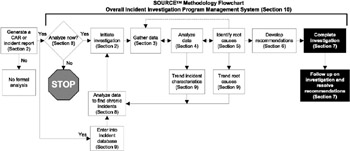
Figure 7.1 shows this step within the context of the overall incident investigation process.
The investigation report is one of the primary tools used by the team to communicate the results of the investigation. It is the permanent record of what was done during the investigation, including the team s conclusions and recommendations. It also provides input into the trending process. Finally, it fulfills regulatory and company requirements.
Table 7.1 provides a list of items to be included in investigation reports.
| Item | Small | Scale of Investigation Medium | Large | |
|---|---|---|---|---|
| Level of the analysis | ACAs | RCAs | ||
| Predefined report format | Yes | Yes | Yes | |
| Causal factors | Yes | Yes | Yes | |
| Root causes | If Identified | Generally Yes | Yes | |
| Recommendations | Yes | Yes | Yes | |
| Cause and effect tree, timeline, and/or causal factor chart | If Developed | Generally Yes | Yes | |
| Photographs and diagrams | As Required | As Required | As Required | |
| Formal report developed | No | Yes | Yes | |
| Detailed reviews of rejected hypotheses | No | No | Yes | |
| List of data collected and reviewed | No | Generally Yes | Yes | |
| Executive summary | No | Yes |
The investigator should determine a predefined report format for all investigations.