International Accounting Standards: From UK Standards to IAS: An Accelerated Route to Understanding the Key Principles

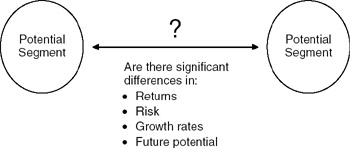
Both accounting regimes require segmental analysis in terms of business type and geographical spread, but the conceptual basis for determining a segment and the quantitative measures which determine if disclosure is required differ considerably.
UK GAAP leaves the determination of what constitutes a segment to the discretion of the directors, although it does provide some guidelines.

IAS 14 Segment reporting uses a management approach which requires consistency between the segments used for internal reporting.
Following the segment identification a company must determine which of these require disclosure, and it is in this context that the rules again differ markedly.
UK GAAP designates a segment as requiring separate disclosure if it represents 10 per cent or more of:
third party turnover; or
net assets; or
the total of segments in profit or the total of segments in loss (whichever is the greater).
Example 9.2 demonstrates how the last of these tests would apply.
Identifying reportable segments (UK GAAP)
The management team of XYZ plc have identified eight segments within the company, but are now trying to determine which of these require to be separately reported based on their results. They are particularly nervous regarding segment G and have asked for your assistance.
| Segment | Profit m | Loss m |
|---|---|---|
| A | 100 | |
| B |
| 40 |
| C | 85 |
|
| D |
| 80 |
| E | 15 |
|
| F |
| 65 |
| G | 25 |
|
| H |
| 70 |
| 225 | 225 |
The total of loss-making segments is greater than those in profit...