Hydraulics Field Manual, Second Edition

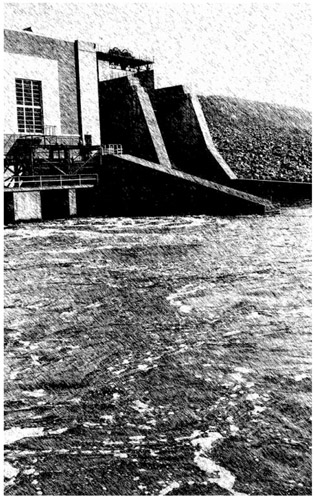
Water hydraulic engineering is defined as that branch of civil engineering concerned with the study, planning, design, erection, construction, and operation of waterworks, sewerage treatment facilities, dams, wells, drainage systems, water-powered generating plants, flood control structures, fire protection systems, irrigation networks, and similar facilities.
Hydraulics is the science of controlling and utilizing liquid pressure, specifically, the application of hydrodynamics and fluid mechanics to solve engineering problems. The term hydraulic literally means to be operated or be affected by the action of water or other fluids of low viscosity.
Hydraulic engineering is not a recent discipline. The engineers of old practiced this science under extremely limited conditions and without the benefit of the data and tools available today. Their basic equipment was good judgment and utilizing the "trial and error" approach. Fortunately, some of their past achievements were recorded. As enlightenment developed, piece by piece, we now stand with a vast reservoir of experience and acquired data, making our modern projects more reliable and cost-effective.
The history of civilized urbanization is, in a true sense, the record of how man has used water. His management of water directly affected the ability to live in close contact with his fellow men, without endangering their health, comfort, safety, and general quality of life. Community cleanliness, from potable water to the disposal of natural accumulation of the wastes occurring from living processes, appears to be the key factor for city survival, not to mention the quality of life.