Existing sanitary sewer collections systems, especially those constructed prior to the 1970s, have infiltration and/or inflow of clearwater entering their piping network. This added wastewater loading increases the hydraulic flows to the treatment facility. When these I/I quantities are significant, corrective action is generally mandated by the appropriate regulatory agency.
Basic Terms
Infiltration. The water entering a sewer system, including service connections, from the ground through such means as but not limited to defective pipes, pipe joints, connections, or manhole walls. Infiltration does not include and is distinguished from inflow.
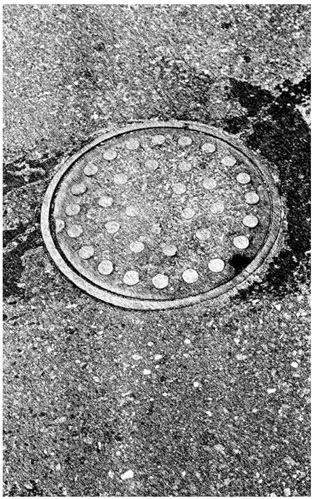
Inflow. The water discharged into a sewer system, including service connections, from such sources as but not limited to, roof leaders, cellar, yard and area drains, foundation drains, cooling water discharges, drains from springs and swampy areas, manhole covers, cross connections from storm sewers and combined sewers, catch basins, storm waters, surface runoff, street wash waters, or drainage. It does not include and is distinguished from infiltration.
Extraneous Flow. The total quantity of water from both infiltration and inflow without distinguishing the source.
Excessive Infiltration/Inflow. The quantities of infiltration/inflow which can be economically eliminated from a sewer system by rehabilitation, as determined by a cost-effective analysis that compares the cost for correcting the infiltration/inflow conditions with the total costs for transportation and treatment of the infiltration/inflow.
Infiltration/Inflow Analysis. A study to demonstrate the nonexistence or possible existence of...

 TABLE OF CONTENTS