Steam Plant Operation, Eighth Edition
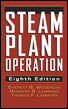
Packed with illustrations and fundamental descriptions, this definitive reference keeps readers current with the latest design methods of various systems and assists in all areas of steam plant operation.
 TABLE OF CONTENTS
 Combustion is the rapid chemical combination of oxygen with the combustible elements of a fuel, resulting in the production of heat. Combustion is accomplished by mixing fuel and air at elevated temperatures. The air supplies oxygen, which unites chemically with the carbon, hydrogen, and a few minor elements in the fuel to produce heat.
Steam has been generated from the burning of a variety of fuels. In addition to the common fossil fuels of coal, oil, and natural gas, today an increased amount and varied supply of waste and by-product fuels are used, such as municipal solid waste (MSW), coal mine tailings, and biomass wastes such as vine clippings and bagasse, a sugar cane by-product. MSW also can have a large percentage of biomass because it contains yard waste. These fuels must be burned and their combustion products properly handled. They create a unique challenge in their use because the fuel quality is significantly reduced due to the fuel s lower heating value and poor combustion characteristics. In addition, such fuels often present more restrictive emission limitations. The designs of the boilers are therefore unique to the combustion of each of these fuels.
The combustion process follows fundamental principles that must be understood by the designers and operators of boilers and associated equipment to ensure reliable service and high efficiency.
1. Control of air supply. The amount of air required depends on the fuel, the equipment used for combustion, and the operating conditions and is determined...