Steam Plant Operation, Eighth Edition
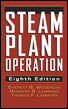
Packed with illustrations and fundamental descriptions, this definitive reference keeps readers current with the latest design methods of various systems and assists in all areas of steam plant operation.
 TABLE OF CONTENTS
 This chapter considers some of the more important general auxiliaries found in steam power plants. These systems are required to make it possible for the major equipment to perform its function with the highest efficiency that is practical for the particular plant. Satisfactory boiler operation depends on the heating and conditioning of the feedwater. It is essential that steam and water flow from one part of the plant to the other through pipelines of adequate strength and size. Condensate must be removed automatically from steam lines to prevent the possibility of waterhammer and from steam-heating coils to keep the water from blanking the heating surface and decreasing the rate of heat transfer. Pumps, filters, and various feeding devices must be used in the process of lubricating equipment. This auxiliary equipment requires careful attention and the necessary maintenance to keep it in good working condition.
The impurities in water affect boiler performance, and if they are not removed, they will cause excessive costly maintenance and the loss of revenues during the outage period necessary to perform that maintenance. These impurities can be either suspended or dissolved matter and consist of atmospheric gases (O 2, N 2, and CO 2) and minerals and organic materials. Suspended solids do not dissolve and can be removed by filtration, while dissolved solids are in solution and cannot be removed by filtration. These dissolved solids include iron, calcium, magnesium, and sodium salts. Hardness of water is caused by calcium or magnesium compounds,...