
Flow Control Gas Chromatographs
Description
Flow Control Gas Chromatographs are analytical devices used to separate and analyze compounds that can be vaporized without decomposition. They are designed to control the flow of gases through the system, ensuring precise and accurate measurement of gas compositions.
Working Principle
Flow Control Gas Chromatographs operate by introducing a sample gas into a stream of carrier gas, which transports the sample through a column. The column contains a stationary phase that separates the components of the sample based on their interactions with the stationary phase and their boiling points. Detectors measure the concentration of each component as it elutes from the column, and the data is processed to produce a chromatogram. This chromatogram is used to identify and quantify the components of the sample. The ability to control gas flow precisely is crucial for maintaining the accuracy and reliability of the analysis.
Applications
Flow Control Gas Chromatographs are used in various applications, including:
- Medical Devices: They are critical for gas flow systems in medical devices, ensuring accurate calibration for microvolume biological sample analysis .
- Petroleum Refinery: Used in flare control solutions to measure components like hydrogen sulfide, nitrogen, and methane, among others, ensuring compliance with environmental regulations .
- Burner Control: Employed in optimizing air/fuel ratios in combustion processes by providing real-time data on gas composition changes .
Advantages over other Gas Chromatographs
Flow Control Gas Chromatographs offer several advantages, such as:
- Real-Time Flare Management: They provide real-time measurement of flare gas compositions without the need for recalibration, which is not possible with some other types of gas chromatographs .
- Wide Temperature Range: Some models, like the Rosemount 700XA, operate reliably over a wide ambient temperature range, enhancing their versatility in different environments .
Limitations
One limitation of Flow Control Gas Chromatographs is the perception of high maintenance and operating costs, as well as the requirement for experienced analytical engineers to operate them effectively .
Considerations
When considering Flow Control Gas Chromatographs, several factors should be taken into account:
- Initial Costs: The initial investment can be significant, especially for models with advanced features and capabilities.
- Operating Expenses: Operating costs may be high due to the need for regular maintenance and potential requirement for skilled personnel.
- Durability and Accuracy: These devices are generally durable and provide high accuracy, but their performance can be affected by environmental conditions and the quality of maintenance.
- Replacement and Maintenance Costs: Regular maintenance is essential to ensure accuracy and reliability, which can add to the overall cost of ownership.

from ABB Measurement & Analytics
The challenge. A relatively small shift in the cut point for any refinery product can cost refiners millions in profits. In the absence of fast, accurate and reproducible boiling point data, refinery product yields are not optimized and more importantly, profits are lost. The solution. The PGC5009... [See More]
- Instrument Type: Fixtured
- Oven Operation: Oven; Temperature Programmable
- Application: Energy; Petroleum; Gasoline, Diesel
- Oven Temperature Range: 50 to 572

from Malvern Instruments, Inc.
Designed specifically for the characterization of polyolefins, but with the ability to handle other polymers, such as polythiophene PEEK and PVF, the Viscotek High Temperature GPC (HT-GPC) system brings advanced triple detector technology to these demanding applications. The HT-GPC operates up to... [See More]
- Instrument Type: Fixtured
- Oven Operation: Oven; Temperature Programmable
- Application: Plastics / Polymers / Rubber
- Oven Temperature Range: 86 to 338
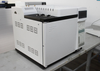
from Haida International Equipment Co., Ltd.
Automatic sampling gas chromatograph is used for quantitative and qualitative analysis to determine the physical and chemical constants such as the distribution coefficient, activity coefficient, molecular weight and surface area of the sample in the fixed phase. An instrument for analyzing the... [See More]
- Instrument Type: Fixtured
- Oven Operation: Temperature Programmable
- Application: Analysis of Dissolved Gas in Transformer Oil, Analysis of Ethylene Oxide in Medical Devices, Analysis of Coke Oven Gas, Pesticide Residue Analysis
- Oven Temperature Range: 41 to 842
from O. I. Analytical
Detectors for organochlorine, organophosphorus, and organosulfur pesticides [See More]
- Instrument Type: Fixtured
- Oven Temperature Range: 32 to 2012
- Application: Agricultural Chemicals / Pesticides
- Pump Flow Control: Flow Control

from Shimadzu Scientific Instruments, Inc.
Realize dramatic improvements in productivity with the GC-2010 Plus. Out of the box, it's ready to perform high-speed GC utilizing the latest in ultra narrow-bore capillary columns. The fourth generation Advanced Flow Controller delivers up to 1200 ml/min, 140 psi of pressure and supports split... [See More]
- Instrument Type: Fixtured
- Oven Operation: Oven; Temperature Programmable
- Application: Cosmetics / Fragrances; Industrial Gases; Organic Chemicals; Thermal Decomposition
- Oven Temperature Range: 122 to 536

from Siemens Analytical Products
This process gas chromatograph, which has resulted from decades of international experience and technology development, leads the industry in capability, flexibility and reliability. The Maxum edition II is used in all branches of the fine chemicals, refining and hydrocarbon processing industries. [See More]
- Instrument Type: Fixtured
- Oven Operation: Isothermal
- Application: Industrial Gases
- Oven Temperature Range: 140 to 536