
Polychloroprene (Neoprene) Mechanical Seals
Description
Polychloroprene, commonly known as Neoprene, mechanical seals are designed to prevent leakage between two surfaces in a mechanical system. These seals are made from a synthetic rubber compound that provides a barrier to contain fluids or gases within a system, ensuring efficient operation and preventing contamination.
Working Principle
Neoprene mechanical seals operate by creating a tight seal between two surfaces, typically a rotating shaft and a stationary housing. The elasticity and resilience of Neoprene allow it to conform to surface irregularities, maintaining a consistent seal even under varying pressure and temperature conditions. This adaptability makes Neoprene seals particularly useful in dynamic environments where movement and vibration are present, as they can absorb shocks and maintain their sealing integrity.
Applications
Neoprene mechanical seals are widely used in the transportation industry due to their resistance to petroleum oils and weather conditions. They are commonly found in air-conditioning systems and refrigeration units, where they effectively seal refrigerants. Additionally, Neoprene's resistance to Freon® and ammonia makes it suitable for use in sealing refrigerators and other cooling systems.
Advantages over other Mechanical Seals
Neoprene seals offer several advantages over other types of mechanical seals. They have moderate resistance to petroleum oils and excellent resilience against weather, ozone, and UV exposure, which makes them ideal for outdoor applications. Unlike some other materials, Neoprene provides good resistance to flex cracking and abrasion, enhancing its durability in dynamic applications. Its ability to withstand a wide temperature range, from -40°C to 120°C, further broadens its applicability compared to materials like nitrile, which may not perform as well under similar conditions.
Limitations
Despite their versatility, Neoprene mechanical seals have limitations. They are not suitable for applications involving high friction, as they can be damaged by abrasion. Additionally, while Neoprene offers good chemical resistance, it may not be the best choice for environments with strong acids, alkalies, or ketones, where other materials like fluoroelastomers might perform better.
Considerations
When selecting Neoprene mechanical seals, several factors should be considered. Initial costs may be higher compared to alternatives like nitrile, but the durability and resilience of Neoprene can lead to lower operating expenses over time. The material's resistance to environmental factors contributes to its longevity, reducing the frequency of replacements and maintenance costs. However, in applications with high abrasion or exposure to harsh chemicals, the potential need for more frequent replacements should be factored into the overall cost analysis.

from Technetics Group
In 1967 Technetics developed the GULLIVER ® mechanical seal which satisfies the most diverse operating conditions. These mechanical seals are used in demanding applications and benefit from the sealing expertise of the Technetics engineering team. Technetics offers a broad variety of advanced... [See More]
- Elastomers: Nitrile Rubber; Polychloroprene (Neoprene); Butyl Rubber; EP Rubber; Silicone Rubber; PTFE-Encased; Miscellaneous Elastomers
- Spring Element: Single Spring
- Seal Design: Metal Bellows; Elastomeric Bellows
- Seal Application: Pump; Agitator or Mixer
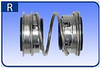
from Daemar Inc.
Most single spring mechanical seals come in two parts: The “Head ” & the “Seat ”. The Head is part of the spring assembly and it usually mounts on the shaft. The Seat is not part of the spring assembly and usually mounts in the bore. Cup Gasket - Provides secondary... [See More]
- Elastomers: Polychloroprene (Neoprene)
- Spring Element: Single Spring
- Mechanical Seal Type: Single
- Shaft Diameter: 2.25
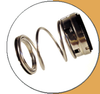
from EMC Incoporated
EMC Incorporated is a premier provider of mechanical seals, capacitors and automotive air conditioning seals worldwide. The company has been providing service to the pump and seal industry for over 40 years. Our repair shop can duplicate and/or repair any name brand seal. For longer service life of... [See More]
- Elastomers: Polychloroprene (Neoprene)
- Metal: Miscellaneous Metals
- Shaft Diameter: 2.25
- Other Face or Primary Seal Material: Stainless Steel
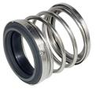
from Daemar Inc.
Most single spring mechanical seals come in two parts: The “Head ” & the “Seat ”. The Head is part of the spring assembly and it usually mounts on the shaft. The Seat is not part of the spring assembly and usually mounts in the bore. Cup Gasket - Provides secondary... [See More]
- Elastomers: Polychloroprene (Neoprene)
- Spring Element: Single Spring
- Mechanical Seal Type: Single
- Shaft Diameter: 2.88
from EMC Incoporated
EMC Incorporated is a premier provider of mechanical seals, capacitors and automotive air conditioning seals worldwide. The company has been providing service to the pump and seal industry for over 40 years. Our repair shop can duplicate and/or repair any name brand seal. For longer service life of... [See More]
- Elastomers: Polychloroprene (Neoprene)
- Metal: Miscellaneous Metals
- Shaft Diameter: 1.62
- Other Face or Primary Seal Material: Stainless Steel
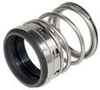
from Daemar Inc.
Most single spring mechanical seals come in two parts: The “Head ” & the “Seat ”. The Head is part of the spring assembly and it usually mounts on the shaft. The Seat is not part of the spring assembly and usually mounts in the bore. Cup Gasket - Provides secondary... [See More]
- Elastomers: Polychloroprene (Neoprene)
- Spring Element: Single Spring
- Mechanical Seal Type: Single
- Shaft Diameter: 1.25
from Daemar Inc.
Most single spring mechanical seals come in two parts: The “Head ” & the “Seat ”. The Head is part of the spring assembly and it usually mounts on the shaft. The Seat is not part of the spring assembly and usually mounts in the bore. Cup Gasket - Provides secondary... [See More]
- Elastomers: Polychloroprene (Neoprene)
- Spring Element: Single Spring
- Mechanical Seal Type: Single
- Shaft Diameter: 0.8750
from Daemar Inc.
Most single spring mechanical seals come in two parts: The “Head ” & the “Seat ”. The Head is part of the spring assembly and it usually mounts on the shaft. The Seat is not part of the spring assembly and usually mounts in the bore. Cup Gasket - Provides secondary... [See More]
- Elastomers: Polychloroprene (Neoprene)
- Spring Element: Single Spring
- Mechanical Seal Type: Single
- Shaft Diameter: 1.5
from Daemar Inc.
Most single spring mechanical seals come in two parts: The “Head ” & the “Seat ”. The Head is part of the spring assembly and it usually mounts on the shaft. The Seat is not part of the spring assembly and usually mounts in the bore. Cup Gasket - Provides secondary... [See More]
- Elastomers: Polychloroprene (Neoprene)
- Spring Element: Single Spring
- Mechanical Seal Type: Single
- Shaft Diameter: 0.5625
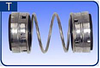
from Daemar Inc.
Most single spring mechanical seals come in two parts: The “Head ” & the “Seat ”. The Head is part of the spring assembly and it usually mounts on the shaft. The Seat is not part of the spring assembly and usually mounts in the bore. Cup Gasket - Provides secondary... [See More]
- Elastomers: Polychloroprene (Neoprene)
- Spring Element: Single Spring
- Mechanical Seal Type: Single
- Shaft Diameter: 1