Linking Learning and Performance: A Practical Guide to Measuring Learning and On-the-Job Application
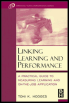
Provides a step-by-step approach for developing learning and performance measures and a method for analyzing and reporting results.
 TABLE OF CONTENTS
 The program has been evaluated. It is either the strong, healthy, fruit-producing tree we hoped for, or it is one with areas of weakness. The evaluator provided guidance where needed, recommending a careful needs-assessment to determine what type of tree was needed and conducting formative evaluations to ensure proper growth and longevity. The evaluator put together a team of experts to determine business, performance, and program objectives and ensure they are clearly defined so they can serve as a strong trunk or foundation for the program. The team fertilized the tree with enablers to aid its growth. The evaluator developed measures to determine the extent to which learning occurred and tested the strength of the measures. Once the program was initially established, the evaluator measured the extent to which job performances were transferred to the job. If weaknesses were found, they were uncovered and described. Hopefully, the tree is producing the flowers or fruit intended and the organization is able to benefit from them. It has been a journey, growing this tree. But it has been a journey that the evaluator has taken with all the guidance, tools, and assistance available.
But now what? What role does the evaluator play at this point? Does he or she report the findings and move on to another project or stay actively involved in implementing the recommendations from the evaluation?
The role the evaluator plays at this point may be dependent on the structure of the organization and where the evaluator is...