
Light Scattering Detector High Performance Liquid Chromatographs (HPLC)
Description
Light Scattering Detector High Performance Liquid Chromatographs (HPLC) are analytical instruments used to detect and quantify components in a sample by measuring the scattering of light. These detectors are integral to HPLC systems, providing a means to analyze the composition of complex mixtures by detecting the presence of particles or droplets in a sample.
Working Principle
Light scattering detectors in HPLC work by nebulizing the column effluent and vaporizing the solvent. The remaining droplets are then detected in a light scattering cell. This process is useful because it allows for the detection of analytes that do not absorb UV light, making it possible to analyze a broader range of compounds. The scattering of light by the particles in the sample provides information about their size and concentration, which is crucial for generating a chromatogram that represents the sample's composition.
Applications
Light scattering detectors are particularly useful in the analysis of polymers, proteins, and other macromolecules that do not have strong UV absorption. For example, they are used in the pharmaceutical industry to analyze drug formulations and in the food industry to assess the composition of complex mixtures like emulsions and colloids.
Advantages over other High Performance Liquid Chromatographs (HPLC)
One of the main advantages of light scattering detectors over other types of HPLC detectors is their ability to detect non-UV absorbing compounds. This makes them particularly valuable for analyzing substances that are invisible to UV detectors. Additionally, they provide direct measurement of the mass of analytes, which can be more accurate than indirect methods used by other detectors.
Limitations
Light scattering detectors can be limited by their sensitivity to changes in the mobile phase composition, which can affect the accuracy of the measurements. They also require careful calibration and maintenance to ensure accurate results. Furthermore, the presence of volatile components in the sample can interfere with the detection process, leading to potential inaccuracies.
Considerations
When considering the use of light scattering detectors in HPLC, it is important to account for the initial costs, which can be higher than other types of detectors due to their complexity. Operating expenses may also be higher, as these detectors require regular maintenance and calibration to maintain accuracy. Durability can be a concern if the system is not properly maintained, and replacement parts can be costly. However, the accuracy and ability to detect a wide range of compounds can justify these costs in applications where precise analysis is critical.

from Shimadzu Scientific Instruments, Inc.
Shimadzu's Discovery VP Analytical System enables characterization of microgram to milligram quantities of lead candidates generated from Drug Discovery, Medicinal Chemistry, Natural Product Isolation, or Organic Synthesis efforts. Up to ten columns and four solvent pairs can be configured, making... [See More]
- Detector Type: Ultraviolet/Visible Light Detector; Refractive Index; Light Scattering; Mass Spectroscopy; PDA
- Analysis Method: Analytical
- Instrument Type: Fixtured
- Injection Method: Auto-sampler Injection
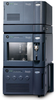
from Waters Corporation
UPLC transforms the expectations of laboratories worldwide. UPLC Technology, which has been adopted successfully in laboratories around the world for the most demanding separations, is highly robust, dependable, and reproducible. Work at higher efficiencies with a much wider range of linear... [See More]
- Detector Type: Ultraviolet/Visible Light Detector; Refractive Index; Fluorescence; Light Scattering; Mass Spectroscopy
- Analysis Method: Analytical
- Instrument Type: Fixtured
- Remote Interface: Computer Interface

from Shimadzu Scientific Instruments, Inc.
The Discovery VP preparative system enables purification and collection of milligram to gram quantities of compounds generated from Drug Discovery, Medicinal Chemistry, Natural Product Isolation, and Organic Synthesis efforts. Multiple fraction collectors increase throughput and facilitate high... [See More]
- Detector Type: Ultraviolet/Visible Light Detector; Refractive Index; Light Scattering
- Analysis Method: Preparative
- Instrument Type: Fixtured
- Injection Method: Auto-sampler Injection

from Waters Corporation
Defined by dependability - today, and in the future. Time-tested, flexible, and reliable workhorse for your HPLC separations. Integrated solvent and sample management with consistent system-to-system performance and high reproducibility. A history of continued system improvements ensures the... [See More]
- Detector Type: Ultraviolet/Visible Light Detector; Refractive Index; Fluorescence; Electrochemical; Light Scattering; Mass Spectroscopy
- Analysis Method: Analytical
- Instrument Type: Fixtured
- User Interface: Digital

from Shimadzu Scientific Instruments, Inc.
HPLC systems are currently used in a wide variety of fields. Higher reliability in analysis data and higher efficiency in total analysis workflow are required for faster development of new drugs, for better food safety, and for meeting higher standards in environmental regulations. Many analysis... [See More]
- Detector Type: Ultraviolet/Visible Light Detector; Refractive Index; Fluorescence; Light Scattering; Optional PDA
- Analysis Method: Analytical; Preparative
- Instrument Type: Fixtured
- Injection Method: Auto-sampler Injection
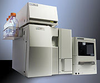
from Waters Corporation
The Breeze ™ 2 HPLC System delivers technology and performance in an affordable, compact, and user-friendly system platform. Complete with software, pump, detector and injector, the system comes pre-configured for different levels of HPLC operational needs. From teaching purposes to daily... [See More]
- Detector Type: Ultraviolet/Visible Light Detector; Refractive Index; Fluorescence; Light Scattering
- Analysis Method: Analytical
- Instrument Type: Fixtured
- Remote Interface: Computer Interface