
Oil & Gas / Petrochem Wear Strips, Wear Plates, and Wear Parts
Last Updated: February 12, 2025
Description
Wear strips, wear plates, and wear parts are components designed to protect machinery from abrasion or impact. They are often made from materials such as basalt, ceramic, bronze, chromium, tungsten, cast iron, or aluminum. These components are resistant to the abrasive effects of processing materials like grain, ore, salt, limestone, coal, glass, and fly ash. They serve as protective liners or pads that extend the life of machinery by minimizing wear and tear.
Working Principle
Wear strips, wear plates, and wear parts function by providing a durable surface that absorbs the impact and abrasion that would otherwise damage machinery. For example, chromium wear plates have a low coefficient of friction, making them suitable for harsh environments. Tungsten carbide wear plates offer extreme wear and corrosion resistance, which is crucial in industries like mining and cement manufacturing. These components are often attached to machinery using methods such as mechanical fastening, adhesive bonding, brazing, or welding, providing a robust and long-lasting protective layer.
Applications
In the oil and gas industry, wear strips, wear plates, and wear parts are used in various applications. For instance, bronze wear plates are commonly used as flow divider plates in gas turbines. Ultra-high molecular weight (UHMW) wear strips are utilized in mechanical components such as bushings, bearings, blades, rails, liners, wipers, and guides. These components are also employed in impact-activated hinged doors in high-traffic areas like warehouses and medical centers, where they minimize wear on hinges.
Advantages over other Wear Strips, Wear Plates, and Wear Parts
Tungsten carbide wear plates are particularly advantageous due to their extreme wear and corrosion resistance, making them suitable for demanding environments such as mining and power generation. Chromium wear plates, with their low coefficient of friction, are beneficial in reducing wear in severe conditions. UHMW wear strips offer the advantage of being lightweight and customizable to fit specific machine parts, providing smoother operation and reducing maintenance downtime.
Limitations
One limitation of wear strips, wear plates, and wear parts is that they may require specific installation techniques, such as brazing or welding, which can be complex and costly. Additionally, while materials like tungsten carbide offer excellent wear resistance, they may be more expensive than other options, impacting the overall cost-effectiveness for certain applications.
Considerations
When selecting wear strips, wear plates, and wear parts, it is important to consider factors such as initial costs, operating expenses, durability, and maintenance requirements. Materials like tungsten carbide, while durable, may have higher initial costs. However, their longevity can offset these costs over time. The choice of material should also consider the specific environmental conditions, such as exposure to corrosive substances or extreme temperatures, to ensure optimal performance and cost-efficiency. Regular maintenance and timely replacement are crucial to maintaining the effectiveness of these components and preventing machinery downtime.

from High Performance Alloys, Inc.
Inconel 625 is a material with excellent resistance to pitting, crevice and corrosion cracking. Inconel 625 is highly resistant in a wide range of organic and mineral acids. Good high temperature strength. Characteristics. Excellent mechanical properties at both extremely low and extremely high... [See More]
- Industry / Application: Chemical; Oil & Gas
- Liner Materials: Metal
- Function: Abrasion or Sliding Wear; Corrosion; Heat or Fire Protection
from Hi-Tech Seals, Inc.
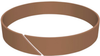
A wear strip is designed to perform the same function as a wear ring. Wear strip helps to keep the piston centered, which allows for even wear and pressure distribution on the seals. This is an excellent product for individuals who need custom sizes of wear rings. Wear strip can help to cut down on... [See More]
- Industry / Application: Oil & Gas; Plastic
- Liner Materials: Nylon, Teflon
- Function: Abrasion or Sliding Wear

from General Carbide Corporation
Cemented carbide flow control components and trim sets are used extensively in the Power Generation, Oil/ Gas and Fluid Handling industries. These harsh applications involve a combination of corrosive and erosive wear that requires the highest quality cemented carbide with enhanced corrosion... [See More]
- Industry / Application: PowerGeneration; Oil & Gas
- Liner Materials: Carbide / Hardmetal
- Function: Abrasion or Sliding Wear; Corrosion