Electronic pollution is all around us. Radio and noise waves impinge us all of the time. Never has electromagnetic interference (EMI) been so great as it is today. One source defines EMI thusly: electromagnetic interference is a degradation in performance of an electronic system caused by an electromagnetic disturbance. At worst, EMI can cause a loss of human life, as when it interferes with an aircraft or automobile electronic system. At best, it will pass unnoticed or will interfere with the electronic system on a subaudible basis.
The European Community has issued regulations pertaining to EMI in all manner of electrical and electronic equipment. Electrical and electronic products sold in Europe must exhibit that it neither emits nor is affected by radiation and conduction of EMI. In other words, it must be electromagnetically compatible (EMC).
Means of EMI transmission
EMI is transmitted from the source to the victim system in two basic ways: conduction and radiation. The difference is that the EMI travels along a wire in conduction and travels by air in radiation. In general (but not always), radiation (Fig. 15-1A) occurs at high frequencies (>30 MHz) and conduction (Fig. 15-1B) occurs at low frequencies (<30 MHz). In some cases, both radiation and conduction can occur. In those cases, either radiation occurs first and then the wave is conducted into the equipment on a line (Fig. 15-1C) or the radiation occurs after conduction (Fig. 15-1D).
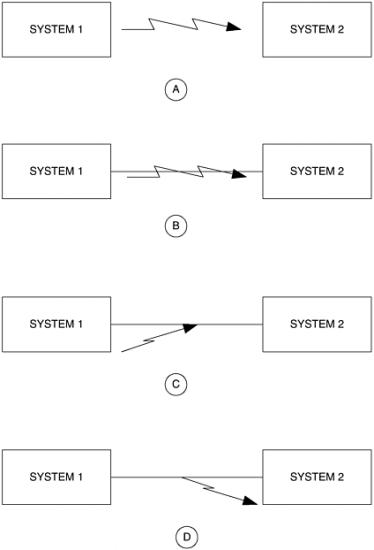 Figure 15-1: (A) Radiation, (B) conduction, (C) conduction...
Copyright The McGraw-Hill Companies, Inc. 2001 under license agreement with Books24x7

 TABLE OF CONTENTS