
Intrinsically Safe Vibration Measurement Instruments and Vibration Analyzers
Description
Intrinsically Safe Vibration Measurement Instruments and Vibration Analyzers are specialized devices designed to measure and analyze vibrations in environments where explosive gases, vapors, or dust may be present. These instruments are engineered to prevent ignition and ensure safety in hazardous areas by limiting the energy available for ignition.
Working Principle
These instruments typically consist of a transducer, data acquisition system, and a display or output interface. The transducer, often an accelerometer or proximity probe, converts mechanical vibrations into electrical signals. These signals are then processed by the data acquisition system, which includes analog-to-digital converters and signal conditioning modules, to capture high-fidelity vibration data. The processed data can be analyzed in the time or frequency domain to assess the condition of machinery and detect potential faults. Intrinsically safe designs incorporate features such as miswiring and electrostatic discharge protection to ensure safe operation in explosive environments .
Applications
Intrinsically Safe Vibration Measurement Instruments are crucial in industries such as oil and gas, chemical processing, and mining, where explosive atmospheres are common. For example, they are used to monitor the condition of pumps and compressors in oil refineries, ensuring that machinery operates safely and efficiently without the risk of igniting flammable substances.
Advantages over other Vibration Measurement Instruments and Vibration Analyzers
One of the primary advantages of intrinsically safe instruments is their ability to operate safely in hazardous environments where other instruments might pose a risk of ignition. They are equipped with certifications from organizations like Factory Mutual and CSA, ensuring compliance with safety standards . Additionally, these instruments often include advanced features such as self-calibration and built-in filters, enhancing their functionality and usability in challenging conditions .
Limitations
Despite their advantages, intrinsically safe vibration measurement instruments may have limitations, such as higher initial costs due to the specialized design and certification requirements. They may also have restricted performance capabilities compared to non-intrinsically safe models, as the design constraints necessary to ensure safety can limit the range of measurable parameters or the sensitivity of the instruments.
Considerations
When selecting intrinsically safe vibration measurement instruments, it is important to consider factors such as initial costs, which can be higher due to the need for specialized components and certifications. Operating expenses may also be elevated due to the need for regular maintenance and calibration to ensure continued compliance with safety standards. Durability is a key consideration, as these instruments must withstand harsh industrial environments. Accuracy is critical, and potential users should evaluate the specifications to ensure the instrument meets their measurement needs. Replacement and maintenance costs should also be factored into the decision-making process, as these can impact the total cost of ownership over the instrument's lifespan.
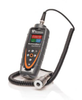
from Wilcoxon Sensing Technologies
Intrinsically safe hand held vibration meter; MachineryMate800-IS simple to use vibration data collector and handheld vibration analyzer with an external accelerometer; certified for use in Class I Division 1 hazardous areas; includes meter, sensor with magnet, cable assembly, carrying case,... [See More]
- Features: Intrinsically Safe
- Form Factor: Handheld