
Current Vibration Measurement Instruments and Vibration Analyzers
Description
Vibration measurement instruments and vibration analyzers are sophisticated tools designed to capture and analyze vibrational data. These instruments typically consist of a transducer, data acquisition system, and either a local display or an output to a computer or other device. They are capable of accepting various types of transducers, such as acceleration, linear velocity, proximity, and displacement sensors, as well as generic signal inputs like voltage and frequency .
Working Principle
Vibration measurement instruments work by converting mechanical vibrations into electrical signals using sensors like accelerometers and proximity probes. Accelerometers measure vibrations across multiple axes and provide signals that can be analyzed in both the time and frequency domains. Proximity probes detect radial vibrations in rotating machinery, measuring relative shaft displacement. The data acquisition systems then collect and process these signals, often using analog-to-digital converters and signal conditioning modules, to enable detailed analysis . These instruments are useful because they allow engineers to monitor and diagnose the health of machinery, helping to prevent failures and optimize performance.
Applications
Vibration measurement instruments are used in a variety of applications, particularly in monitoring the condition of rotating machinery. For example, accelerometers are used to measure vibrations in motors, pumps, and turbines to detect imbalances or misalignments. Proximity probes are often employed in the analysis of bearings to measure shaft displacement and identify potential issues before they lead to equipment failure .
Advantages over other Vibration Measurement Instruments and Vibration Analyzers
One advantage of current vibration measurement instruments is their ability to accept a wide range of transducers and signal inputs, making them versatile for different measurement needs. Additionally, many instruments offer features like event triggering, self-calibration, and built-in filters, which enhance their functionality and usability in various environments, including those with extreme conditions like excessive heat or moisture .
Limitations
A limitation of vibration measurement instruments is their susceptibility to shock and power requirements, particularly for acceleration sensors. Proper mounting of sensors is crucial, as they must have a clear path of transmission to convert vibrations accurately into electrical signals. This requirement can sometimes complicate the setup and operation of these instruments .
Considerations
When selecting vibration measurement instruments, several factors should be considered. Initial costs can vary depending on the complexity and features of the instrument. Operating expenses may include calibration and maintenance, which are necessary to ensure accuracy and reliability. Durability is another important consideration, especially if the instruments will be used in harsh environments. Additionally, the accuracy of the measurements and the ease of replacing or maintaining components like sensors should be evaluated to ensure long-term effectiveness and cost-efficiency .
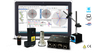
from Erbessd Instruments
A complete and useful Dynamic Balancing System ‘ The DigivibeMX M10 is the Dynamic Balancing System with more functions in the market. It is built with an intuitive interface and designed also for the most demanding users. DigivibeMX M10 includes these features: Accurate balancings in just 2... [See More]
- Signal Inputs: Voltage; Current
- Linear Velocity: 7.87E-5 to 118
- Acceleration: 1.00E-4 to 100
- Frequency Range: 0.3200 to 15000
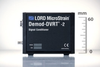
from LORD MicroStrain Sensing Systems
LORD MicroStrain ® Displacement Variable Reluctance Transducer (DVRT ®) systems enable precise micro-position measurement for a wide variety of applications. From slow, slight movements over time to high frequency vibration, the DVRT ® system provides accurate, repeatable measurement. [See More]
- Signal Inputs: Current
- Device Type: Instrument / Meter; Transmitter
- Number Channels: 1
- Sensor Input: A wide selection of inductive contact, non- contact, slide, and spring-actuated sensors