
Self Test / Diagnostics / Self Calibrating Vibration Measurement Instruments and Vibration Analyzers
Description
Self-test, diagnostics, and self-calibrating vibration measurement instruments and analyzers are advanced tools designed to monitor and analyze vibrations in various environments. These instruments are equipped with features that allow them to perform self-checks and calibrations, ensuring that they maintain accuracy and reliability over time. They are capable of detecting and diagnosing issues within machinery by measuring vibration levels and patterns.
Working Principle
These instruments operate by converting mechanical vibrations into electrical signals using sensors. The sensors, often attached via magnets, capture the vibrations and transmit them to the analyzer. The analyzer then processes these signals to provide insights into the condition of the machinery. Self-calibrating features ensure that the instruments adjust themselves to maintain accuracy, while self-test and diagnostic capabilities allow them to verify their own operational integrity. This makes them invaluable for preventing machine failures by providing early warnings of potential issues.
Applications
Self-calibrating vibration measurement instruments are used in various industries to monitor the health of machinery. For example, they are employed in manufacturing plants to ensure that production equipment operates smoothly and efficiently. In the aerospace industry, these instruments help in maintaining the safety and performance of aircraft by monitoring engine vibrations. They are also used in the automotive sector to test the durability and performance of vehicles under different conditions.
Advantages over other Vibration Measurement Instruments and Vibration Analyzers
One significant advantage of these instruments is their ability to perform self-calibration, which reduces the need for manual calibration and minimizes downtime. The self-test and diagnostic features enhance reliability by ensuring that the instruments are functioning correctly, which is crucial for accurate data collection. These capabilities make them more efficient and cost-effective compared to traditional vibration measurement tools that require frequent manual checks and calibrations.
Limitations
Despite their advanced features, these instruments may have limitations such as higher initial costs due to their sophisticated technology. They may also require specialized training for operators to fully utilize their capabilities. Additionally, while self-calibration and diagnostics improve accuracy, they may not completely eliminate the need for periodic manual verification, especially in highly critical applications.
Considerations
When considering the purchase of self-calibrating vibration measurement instruments, it is important to evaluate the initial investment against the long-term benefits of reduced maintenance and downtime. Operating expenses may be lower due to the reduced need for manual calibration, but the durability and accuracy of the instruments should be assessed to ensure they meet the specific needs of the application. Replacement and maintenance costs should also be considered, as these can vary depending on the complexity and usage of the instruments.
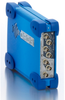
from OROS
OR34 is the compact real-time multi-analyzer that integrates the best of noise & vibration analysis technology in an ultra mobile instrument. OR34 is the synthesis of the ultimate OR3x technology and OROS' wealth of experience in measurement. Designed to offer the essentials in a professional... [See More]
- Features: Event triggered; Filters; Self Test / Self Calibrating
- Accuracy: 0.01
- Frequency Range: 2000 to 102400
- Number Channels: 2 to 4
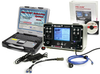
from MTI Instruments Inc.
Portable vibration analysis and engine trim balance instruments and accessories for commercial and military aviation. Designed to swiftly pinpoint engine problems and eliminate avoidable engine removals. Rapid configuration and intuitive user interface make it straightforward and uncomplicated to... [See More]
- Features: Event triggered; Self Test / Self Calibrating
- Device Type: Instrument / Meter
- Frequency Range: 5 to 10000
- Signal Inputs: Voltage; Frequency
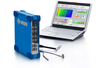
from OROS
OR35 is the portable real-time multi-analyzer that integrates the best of sound & vibration analysis technology in a truly mobile instrument. OR35 is the synthesis of the ultimate OR3x technology and OROS' wealth of experience of measurement. Designed to be the best for field operations, OR35 takes... [See More]
- Features: Event triggered; Filters; Self Test / Self Calibrating
- Accuracy: 0.01
- Frequency Range: 2000 to 102400
- Number Channels: 8

from MTI Instruments Inc.
The 1510A Precision Signal Simulator/Function Generator is a sophisticated two channel, battery powered, microprocessor controlled, direct digital synthesizer with unparalleled accuracy. A USB port allows remote control and programming of the unit. This portable signal generator can be programmed to... [See More]
- Features: Battery Powered; Self Test / Self Calibrating
- Number Channels: 1
- Frequency Range: 10 to 100
- Sensor Input: Acceleration
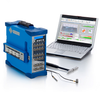
from OROS
OR36 models are intended for advanced needs in acoustic and vibration analysis measurements, for R&D as well as for testing. OR36 is a synthesis of components usually used separately for measurements. OR36 includes an acquisition front-end, with conditioning and sampling, a time domain recorder and... [See More]
- Features: Event triggered; Filters; Self Test / Self Calibrating
- Accuracy: 0.01
- Frequency Range: 2000 to 102400
- Number Channels: 4 to 16

from MTI Instruments Inc.
Test cell vibration analysis and engine trim balance instruments and accessories for commercial and military aviation gas turbine engines. Designed to quickly isolate engine problems and locate troubles. Rapid configuration and intuitive user interface make it straightforward and uncomplicated to... [See More]
- Features: Event triggered; Filters; Self Test / Self Calibrating
- Accuracy: 1.00
- Frequency Range: 5 to 10000
- Number Channels: 8