
Ethylene Industrial Gases
Description
Ethylene is a colorless, flammable gas with the chemical formula C2H4. It is derived from natural gas and petroleum and serves as a source for many organic compounds. Ethylene is known for its high reactivity and is a relatively inexpensive compound, making it a key player in the production of various chemicals and polymers.
Working Principle
Ethylene works primarily through addition reactions, where it reacts with other compounds to form new products. Its simple structure and high reactivity allow it to easily combine with reagents such as water, chlorine, and oxygen. This reactivity is harnessed in processes like polymerization, where ethylene is transformed into polyethylene, a widely used thermoplastic polymer. The ability to copolymerize with other olefins further enhances its utility, allowing for the creation of polymers with improved properties.
Applications
Ethylene is used in a variety of applications due to its versatility. It is a crucial component in the production of polyethylene, which is used in packaging materials, containers, and plastic bags. Ethylene is also employed in the synthesis of ethylene oxide, a precursor for antifreeze and detergents. Additionally, it is used in the agricultural sector to accelerate the ripening of fruits such as bananas and tomatoes.
Advantages over other Industrial Gases
Ethylene's advantages over other industrial gases include its high reactivity and the ability to produce fewer by-products in reactions compared to other olefins. This efficiency in chemical reactions makes it a preferred choice in industrial applications where purity and yield are critical. Its relatively low cost and ease of production from various hydrocarbon sources further enhance its appeal.
Limitations
One of the limitations of ethylene is its flammability, which requires careful handling and storage to prevent accidents. Additionally, its reactivity, while advantageous in many applications, can also pose challenges in terms of stability and control during chemical processes.
Considerations
When considering the use of ethylene, factors such as initial costs, operating expenses, and maintenance should be evaluated. The production and storage of ethylene involve significant infrastructure investments, and ongoing costs can be influenced by market fluctuations in natural gas and petroleum prices. Durability and accuracy in its application depend on the quality of the equipment used in its handling and processing. Regular maintenance and replacement of components are necessary to ensure safety and efficiency in operations involving ethylene.
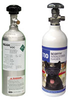
from Restek
Our high-quality air monitoring gas calibration standards are provided by Spectra/Linde and Scott/Air Liquide —meeting lab requirements for two separate sources of calibration standards. [See More]
- Industrial Gases: Acetylene; Butane; Ethane; Ethylene; Propane; Propylene; Acetylene , Benzene, n-Butane, 1-Butene, cis-2-Butene, trans-2-Butene, Cyclohexane, Cyclopentane, n-Decane, m-Diethylbenzene, and More
- Composition: Mixture
- Application / Function: Calibration Gas / Gas Standard
- Product Form: Bulk Gaseous

from Linde North America, Inc.
Constant monitoring through various analytical procedures ensures that the pure gases you receive meet the minimum purity levels specified by Linde, and of course your exact specifications. In addition to our standard catalogue products, many gases of higher purity are available on special order. [See More]
- Industrial Gases: Ethylene
- Concentration: 99.5 to 100
- Composition: Pure
- Product Form: Bulk Gaseous

from Restek
Each available in three varying concentrations. Mini-regulator designed specially for these standards. Available in three mixes with varying C5 unsaturates or extended C6+ components. Concentration: mole. Volume: 5.2L @ 70psig. DCG Partnership Cylinders: Size: 7.6 x 24cm. CGA-170/110 connection. US... [See More]
- Industrial Gases: Hydrogen; Nitrogen; Carbon dioxide; Carbon Monoxide; Argon; Butane; Ethane; Ethylene; Methane; Propane; Propylene; Propadiene, Isobutylene , 1,3 Butadiene, cis-2-Butene, trans-2-Butene, 1-Bbutene, Isopentane, N-Pentane, N-Hexane
- Composition: Mixture
- Application / Function: Calibration Gas / Gas Standard
- Concentration: 0.5000 to 40.75