
DeviceNet Pressure Transmitters
Last Updated: April 1, 2025
Description
DeviceNet Pressure Transmitters are devices designed to measure pressure and convert it into an electrical signal that can be transmitted over a network. These transmitters are integral to process control systems, providing real-time pressure data that can be used for monitoring and control purposes.
Working Principle
DeviceNet Pressure Transmitters operate by utilizing various pressure sensing technologies, such as strain gauges, capacitive sensors, or piezoresistive elements, to detect pressure changes. The detected pressure is then converted into an electrical signal, typically a 4-20 mA output, which is proportional to the pressure being measured. This signal can be transmitted over a DeviceNet network, allowing for seamless integration into industrial control systems. The usefulness of these transmitters lies in their ability to provide accurate and reliable pressure measurements, which are crucial for maintaining optimal process conditions and ensuring safety in industrial environments.
Applications
DeviceNet Pressure Transmitters are commonly used in a variety of industrial applications. For example, they are employed in chemical processing plants to monitor the pressure of gases and liquids in pipelines. In the oil and gas industry, these transmitters are used to measure the pressure in drilling operations and storage tanks. Additionally, they are utilized in water treatment facilities to ensure the proper pressure levels in filtration systems.
Advantages over other Pressure Transmitters
One of the key advantages of DeviceNet Pressure Transmitters is their ability to integrate with DeviceNet networks, which are widely used in industrial automation. This integration allows for easy communication and data exchange between devices, enhancing the overall efficiency of the control system. Furthermore, these transmitters often offer higher accuracy and reliability compared to traditional pressure measuring devices like manometers and dial gauges, which require manual operation.
Limitations
DeviceNet Pressure Transmitters may have limitations in terms of their operating pressure range. It is important to ensure that the working pressure does not exceed 75% of the maximum rated range to avoid damage and ensure accurate measurements. Additionally, these transmitters may not be suitable for environments with extreme temperatures or corrosive substances, which could affect their performance and longevity.
Considerations
When selecting DeviceNet Pressure Transmitters, several factors should be considered. Initial costs can vary depending on the specific model and features, but it is important to balance cost with the required performance specifications. Operating expenses may include maintenance and calibration to ensure continued accuracy. Durability is a critical factor, especially in harsh industrial environments, so selecting a transmitter with robust construction is essential. Accuracy is paramount for process control, so choosing a transmitter with a suitable accuracy specification is crucial. Finally, consider the replacement and maintenance costs, as these can impact the long-term cost-effectiveness of the device.
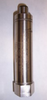
from Viatran
The CANopen CN422 is a versatile high-performance test and controls sensor with CAN protocol and a quick delivery interval. The electronics and silicon sensor design have a combined accuracy over temperature of better than ±0.08% with an optional improved accuracy of better than ±0.04%... [See More]
- Signal Output: DeviceNet; CANopen
- Pressure Measurement: Absolute; Gauge; Vacuum
- Sensor Technology: Strain Gauge
- Working Pressure Range: 0.0 to 5000