
Lift Truck Scale Scales and Balances
Last Updated: April 1, 2025
Description
Lift truck scales are integrated weighing systems designed to measure the weight of loads being carried by lift trucks. These scales provide real-time weight data, allowing operators to weigh loads directly on the lift truck without needing to transport them to a separate weighing station.
Working Principle
Lift truck scales operate by utilizing load cells, which are devices that convert mechanical force into an electrical signal. When a load is placed on the lift truck, the load cells compress, causing a change in electrical resistance. This change is measured and converted into a weight reading by the scale's indicator. The integration of these scales into lift trucks allows for efficient and accurate weighing of loads during transport, reducing the need for additional handling and improving workflow efficiency.
Applications
Lift truck scales are commonly used in industries where material handling and logistics are critical. For example, in warehouses, they enable operators to weigh pallets of goods directly on the lift truck, streamlining the shipping and receiving processes. In manufacturing, they help ensure that raw materials are accurately measured before production. Additionally, in distribution centers, lift truck scales facilitate the quick and accurate loading of trucks for delivery.
Advantages over other Scales and Balances
One significant advantage of lift truck scales is their ability to weigh loads on the go, eliminating the need for separate weighing stations and reducing handling time. This integration leads to increased efficiency and productivity in material handling operations. Additionally, lift truck scales provide immediate weight data, which can be crucial for maintaining compliance with weight regulations and optimizing load distribution.
Limitations
Lift truck scales may have limitations in terms of accuracy compared to stationary scales, especially when the lift truck is in motion or on uneven surfaces. The accuracy can also be affected by the condition of the lift truck and the calibration of the scale. Furthermore, the initial cost of integrating scales into lift trucks can be higher than using standalone scales.
Considerations
When considering lift truck scales, it is important to evaluate the initial costs, which can include the purchase and installation of the scales. Operating expenses may involve regular calibration and maintenance to ensure accuracy and reliability. Durability is another factor, as the scales must withstand the rigors of daily use in industrial environments. Accuracy is crucial, and regular testing and calibration are necessary to maintain it. Replacement and maintenance costs should also be considered, as these can impact the overall cost-effectiveness of the system over time.

from Fairbanks Scales, Inc.
Fairbanks ’ CP Series scales are designed to weigh on the go with almost any brand of forklift. CP Series scales eliminate wasted time and effort, while increasing profits through more accurate shipments and efficient product tracking.? These scales utilize Bluetooth Technology to communicate... [See More]
- Type: Lift Truck Scale
- Display: Digital Display
from Avery Weigh-Tronix
Durable stainless steel enclosure, fully programmable [See More]
- Type: Lift Truck Scale
- Display: Digital Display
- Capacity: 0.0 to 10000
- Interface: Ethernet
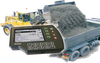
from Fairbanks Scales, Inc.
The Loadtronic 3 system, a dynamic on-board weighing system for wheel loaders (wheel loader scale), automatically registers important weighing information during product loading, including product type, product destination and amount loaded. The data is saved in the system's main unit and can be... [See More]
- Type: Lift Truck Scale