
Wheel Weigher Scales and Balances
Last Updated: April 1, 2025
Description
Wheel weigher scales are specialized devices designed to measure the weight of roadway vehicles one wheel at a time. These scales provide a weight measurement for each wheel, which can be used to determine the overall weight distribution of the vehicle.
Working Principle
Wheel weigher scales operate by having each wheel of a vehicle positioned on a separate scale platform. The weight of each wheel is measured individually, and these measurements can be combined to provide the total weight of the vehicle. This method is particularly useful for ensuring that weight is evenly distributed across all wheels, which is crucial for vehicle safety and performance.
Applications
Wheel weigher scales are commonly used in transportation and logistics to ensure that vehicles comply with weight regulations. For example, they are used at weigh stations to check that trucks do not exceed legal weight limits, which helps prevent road damage and ensures safety. They are also used in vehicle manufacturing and testing to verify weight distribution and balance.
Advantages over other Scales and Balances
One of the primary advantages of wheel weigher scales is their ability to measure the weight of each wheel individually, providing detailed information about weight distribution. This is particularly beneficial compared to axle scales, which only measure the weight of an entire axle, potentially missing imbalances between wheels on the same axle.
Limitations
A limitation of wheel weigher scales is that they require each wheel to be positioned accurately on the scale platform, which can be time-consuming and may require additional equipment or personnel to ensure proper alignment. Additionally, they may not be suitable for vehicles with non-standard wheel configurations or those that cannot be easily maneuvered onto the scale platforms.
Considerations
When considering wheel weigher scales, it is important to evaluate the initial costs, which can be significant due to the need for multiple scale platforms and associated equipment. Operating expenses may include regular calibration and maintenance to ensure accuracy. Durability is a key factor, as these scales must withstand the weight and pressure of heavy vehicles. Accuracy is critical, especially for regulatory compliance, so regular testing and calibration are necessary. Replacement and maintenance costs should also be considered, as wear and tear from frequent use can lead to the need for repairs or replacements over time.
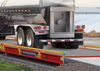
from Fairbanks Scales, Inc.
For above-ground, pit style, portable, axle and off-highway vehicle weighing. For the most robust, long-term scale performance, a concrete deck is the only choice. Concrete provides extraordinary life even in the most aggressive applications. The Talon HV offers a 10 ” thick concrete deck... [See More]
- Type: Axle Scale; Refuse Scale; Truck Scale; Wheel Weigher
- Display: Digital Display

from Meridian Scale
Summary: Built-In Casters. Hand Rail. Rechargeable Battery and Charger Included. Pounds and Kilograms. Flip-Up Ramp. Wheel Chair or Stand-On. [See More]
- Type: Wheel Weigher
- Resolution: 0.2205
- Capacity: 800
- Width: 28
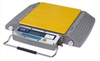
from Meridian Scale
Summary: LCD Display. Rugged Aluminum Construction. Carry Handle. Zero, Lb/Kg, Print, Print Total, Local/Total, Light, and On/Off Buttons. Powered by 12 x AA Batteries. Charging Adapter and Rechargeable Batteries are Included. 20 Hour Run Time / 16 Hour Charge Time. [See More]
- Type: Wheel Weigher