Materials: Engineering, Science, Processing and Design
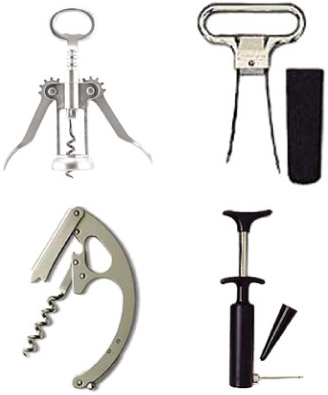
Images embodying the concepts described in the text: pull, geared pull, shear and pressure. (Image courtesy of A-Best Fixture Co. 424 West Exchange Street, Akron, Ohio, 44302, USA.)
Our aim in this chapter is to develop a strategy for selecting materials and processes that is design-led; that is, the strategy uses, as inputs, the requirements of the design. To do so we must first look briefly at design itself. This chapter introduces some of the words and phrases the vocabulary of design, the stages in its implementation and the ways in which materials selection links with these.
Design starts with a market need. The need is analyzed, expressing it as a set of design requirements. Ways to meet these ('concepts') are sought, developed ('embodied') and refined ('detailed') to give a product specification. The choice of material and process evolves in parallel with this process, in the way detailed in this chapter.
With this background we can develop the selection strategy. It involves four steps: translation, screening, ranking and documentation. These steps are explained and the first, that of translation, is illustrated with examples.
Original design starts from a new concept and develops the information necessary to implement it. Evolutionary design (or redesign) starts with an existing product and seeks to change it in ways that increase its performance, reduce its cost, or both.
Original design starts from scratch. It involves...