
Self Test / Diagnostics Tachometers
Description
Self Test / Diagnostics Tachometers are devices designed to measure the rotational speed of a shaft or disk, typically in revolutions per minute (RPM). They are equipped with self-testing and diagnostic capabilities to ensure accurate and reliable performance.
Working Principle
Self Test / Diagnostics Tachometers operate by utilizing various sensor technologies such as contact type, photoelectric, inductive, or Hall effect sensors. These sensors detect the rotational speed of a device by measuring the frequency of a signal generated by the rotating part. The self-test and diagnostic features allow the tachometer to perform internal checks to verify its accuracy and functionality, ensuring that the measurements are reliable. This capability is particularly useful for maintaining the integrity of the data collected and for troubleshooting potential issues in real-time.
Applications
Self Test / Diagnostics Tachometers are used in a variety of applications where precise speed measurement is critical. They are commonly employed in the monitoring of engine and motor speeds, as well as in powered equipment such as conveyors, mixers, fans, and machine tools. These tachometers are also integral components in feedback systems for speed control circuits, where maintaining accurate speed measurements is essential for system performance.
Advantages over other Tachometers
One of the primary advantages of Self Test / Diagnostics Tachometers over traditional tachometers is their ability to perform self-diagnostics. This feature ensures that the device is functioning correctly and provides accurate readings, reducing the likelihood of errors and the need for frequent manual checks. Additionally, the integration of advanced sensor technologies allows for more precise and reliable speed measurements across a wide range of applications.
Limitations
Despite their advantages, Self Test / Diagnostics Tachometers may have limitations such as higher initial costs due to the complexity of their design and the inclusion of diagnostic features. They may also require more sophisticated maintenance procedures to ensure that the self-test functions remain operational and accurate over time.
Considerations
When selecting a Self Test / Diagnostics Tachometer, it is important to consider factors such as initial costs, operating expenses, and maintenance requirements. While these devices may have higher upfront costs, their ability to provide accurate and reliable measurements can lead to cost savings in the long term by reducing downtime and maintenance needs. Durability and accuracy are also critical considerations, as these factors will impact the overall performance and lifespan of the tachometer. Regular maintenance and calibration may be necessary to ensure continued accuracy and functionality.
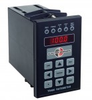
from Electro-Sensors, Inc.
Full Logic Control Process Ratemeter. Features. • Displays rate or time in process. • Easy installation and setup. • Completely field adjustable. • Single channel or quadrature decoding. • NEMA 4 faceplate. • Full diagnostic function. • Front panel reverse... [See More]
- Features: Self Test/Diagnostics; Timer
- Tachometer Type: Instrument / Sensor Package
- Operating Speed: 0.0 to 10000
- Sensor Technology: Contact Type (Roller); Non Contact (Photoelectric (Optical, Infrared), Magnetic)
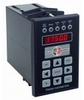
from Electro-Sensors, Inc.
Full Logic Control Process Ratemeter. Features. • Displays rate, time in process, ratio,. sum, difference, or draw. • Completely field adjustable. • Full diagnostic functions. • Three programmable transistor setpoint outputs. • Three programmable AC inputs. • Start... [See More]
- Features: Self Test/Diagnostics; Timer
- Tachometer Type: Instrument / Sensor Package
- Operating Speed: 0.0 to 10000
- Sensor Technology: Contact Type (Roller); Non Contact (Photoelectric (Optical, Infrared), Magnetic)