
Stamped Metal Heat Sinks
Last Updated: April 1, 2025
Description
Stamped metal heat sinks are thermal management devices designed to dissipate heat from electronic components. They are manufactured by stamping a single piece of metal, which allows for efficient production and cost-effectiveness. These heat sinks increase the surface area in contact with the air, facilitating the transfer of heat away from the component.
Working Principle
Stamped metal heat sinks operate on the principle of increasing the surface area in contact with the air to enhance heat dissipation. By maximizing the contact area, more heat can be transferred from the electronic component to the surrounding air, thereby maintaining the component's temperature below its maximum operating limit. This process is crucial for preventing overheating and ensuring the reliable performance of electronic devices.
Applications
Stamped metal heat sinks are commonly used in low-power applications. They are particularly suitable for electronic devices where space and cost constraints are significant considerations. Specific examples include cooling solutions for light-emitting diodes (LEDs) and lasers, where maintaining optimal temperature is critical for performance and longevity.
Advantages over other Heat Sinks
One of the primary advantages of stamped metal heat sinks is their ease of production. The stamping process allows for automation, which can significantly reduce manufacturing costs and time. This makes them an attractive option for applications where cost efficiency is a priority. Additionally, their simple design can be beneficial in applications where space is limited.
Limitations
Stamped metal heat sinks generally offer lower thermal performance compared to other types, such as extruded or bonded fin heat sinks. This limitation makes them less suitable for high-power applications where superior heat dissipation is required. Their performance is constrained by the material's thermal conductivity and the limited surface area that can be achieved through stamping.
Considerations
When selecting stamped metal heat sinks, several factors should be considered:
- Initial Costs: Stamped metal heat sinks are typically cost-effective due to the automated production process.
- Operating Expense: They generally have low operating expenses as they do not require additional components like fans or pumps.
- Durability: The durability of stamped metal heat sinks depends on the material used. Aluminum is commonly used for its balance of cost and thermal conductivity.
- Replacement and Maintenance Costs: These heat sinks are relatively low-maintenance, but their limited thermal performance may necessitate more frequent replacements in demanding applications.
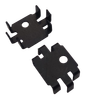
from New Yorker Electronics Co., Inc.
STAMPED TYPE, TO-220/SOT-32 PACK [See More]
- Heat sink Fin Style:: Stamped
- Mounting: Socket

from New Yorker Electronics Co., Inc.
STAMPED TYPE, TO-220 PACKAGE, LE [See More]
- Heat sink Fin Style:: Stamped
- Mounting: Socket

from New Yorker Electronics Co., Inc.
STAMPED TYPE, TO-220/SOT-32 PACK [See More]
- Heat sink Fin Style:: Stamped
- Mounting: Socket
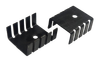
from New Yorker Electronics Co., Inc.
STAMPED TYPE, TO-220 PACKAGE, LE [See More]
- Heat sink Fin Style:: Stamped
- Mounting: Socket

from New Yorker Electronics Co., Inc.
STAMPED TYPE, SOT-32 (2 NOS) PAC [See More]
- Heat sink Fin Style:: Stamped
- Mounting: Socket
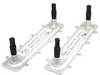
from Boyd
Low profile and lightweight alternative to typical extended surface cold plates for more cost sensitive applications. Typically CAB brazed for higher volume production. [See More]
- Heat sink Fin Style:: Stamped
- Device: Liquid Cooler