
Polycarbonate Helical Gears
Last Updated: April 1, 2025
Description
Polycarbonate helical gears are a type of gear made from polycarbonate plastic, known for their ability to transmit motion and power between shafts. These gears are characterized by their helical teeth, which are cut at an angle to the gear axis, allowing for smoother and quieter operation compared to straight-cut gears.
Working Principle
Polycarbonate helical gears operate by meshing their angled teeth with those of another gear, allowing for the transfer of motion and torque between parallel or crossed shafts. The helical design of the teeth enables gradual engagement, which reduces noise and vibration during operation. This makes them particularly useful in applications where smooth and quiet operation is essential. The use of polycarbonate as a material provides additional benefits such as corrosion resistance and reduced weight compared to metal gears.
Applications
Polycarbonate helical gears are used in a variety of applications where noise reduction and smooth operation are critical. Specific examples include medical devices such as dental tools and cataract surgery equipment, where the quiet operation is necessary due to the sensitive environments in which they are used .
Advantages over other Helical Gears
Polycarbonate helical gears offer several advantages over their metal counterparts. They are quieter and produce less vibration due to their excellent noise and vibration dampening properties . Additionally, they are corrosion-resistant and lighter, which can be beneficial in applications where weight is a concern .
Limitations
Despite their advantages, polycarbonate helical gears have limitations. They exhibit low chemical and fatigue resistance and poor lubricity, which can limit their use in high-load or high-speed applications . These factors make them less suitable for environments where they would be exposed to harsh chemicals or require high durability.
Considerations
When considering polycarbonate helical gears, it is important to evaluate factors such as initial costs, operating expenses, and maintenance requirements. While they can reduce manufacturing costs compared to metal gears , their lower durability and resistance to wear may lead to higher replacement and maintenance costs over time. Additionally, their accuracy and performance may be affected by environmental factors such as temperature changes, which should be taken into account during the design and selection process.
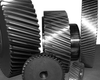
from Circle Gear & Machine Co., Inc.
Circle Gear & Machine Company Co. offers extensive manufacturing capabilities for helical gears in diverse sizes, types, base materials, and shaft types. We can produce large-scale helical gears, measuring up to 120" in diameter. Diametrical pitch can run to 1.25, with up to a 20 module. The... [See More]
- Material: Aluminum; Brass; Bronze; Cast Iron; Steel; Stainless; Acetal; Delrin; Nylon; Polycarbonate; Ductile Iron; Polyester
- OD: 120
- Design: English
- Face Width: 120.00
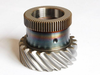
from Shenzhen Besta Precision Machinery Co., Ltd.
Besta offers extensive manufacturing capabilities for helical gears in diverse sizes, types, base materials, and shaft types. We can produce large-scale helical gears, measuring up to 1200mm in diameter. Diametrical pitch can run to 1.25, with up to a 20 module. The minimum diametrical pitch of... [See More]
- Material: Aluminum; Brass; Bronze; Cast Iron; Steel; Stainless; Acetal; Delrin; Nylon; Polycarbonate
- Module: 0.5 - 25
- Design: Metric
- OD: 1600