
Silicon Thin Film Equipment
Description
Silicon Thin Film Equipment is designed to deposit thin layers of silicon onto various substrates. This equipment is crucial in the fabrication of electronic devices, where precise control over the thickness and composition of the silicon layer is required. The equipment typically involves processes that allow for the controlled deposition of silicon atoms or molecules onto a substrate, forming a thin film.
Working Principle
Silicon Thin Film Equipment operates primarily through deposition techniques such as Chemical Vapor Deposition (CVD) and Physical Vapor Deposition (PVD). In CVD, a precursor gas is introduced into a chamber where it reacts with an energy source, usually heat, to form a silicon film on the substrate. PVD involves the evaporation or sputtering of silicon atoms from a source, which then condense onto the substrate. These processes are essential for creating uniform and high-quality silicon films, which are critical for the performance of electronic devices. The ability to precisely control the deposition process makes these techniques invaluable for producing films with specific properties.
Applications
Silicon Thin Film Equipment is widely used in semiconductor manufacturing, where it plays a critical role in the production of integrated circuits and other electronic components. It is also used in the fabrication of photovoltaic cells for solar energy applications, where thin silicon films are used to convert sunlight into electricity. Additionally, this equipment is employed in the production of flat panel displays and various types of sensors and actuators.
Advantages over other Thin Film Equipment
Silicon Thin Film Equipment offers several advantages over other types of thin film equipment. For instance, the precision and control it provides in the deposition process are superior, allowing for the creation of films with highly specific properties. This is particularly important in semiconductor manufacturing, where even minor deviations in film thickness or composition can significantly impact device performance. Additionally, the ability to use silicon, a widely available and cost-effective material, makes this equipment economically advantageous.
Limitations
One of the limitations of Silicon Thin Film Equipment is the complexity and cost associated with the deposition processes, such as CVD and PVD. These processes require sophisticated equipment and precise control over various parameters, which can increase both the initial investment and operational costs. Additionally, the deposition processes can be time-consuming, which may limit throughput in high-volume manufacturing environments.
Considerations
When considering the use of Silicon Thin Film Equipment, several factors should be taken into account. The initial cost of the equipment can be significant, and potential users should evaluate the return on investment based on their specific application needs. Operating expenses, including energy consumption and maintenance, should also be considered, as these can impact the overall cost-effectiveness of the equipment. Durability and accuracy are critical factors, as they affect the quality and consistency of the films produced. Finally, users should consider the costs associated with replacement and maintenance, as these can vary depending on the complexity of the equipment and the specific deposition processes used.
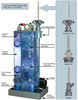
from EBARA Technologies, Inc.
Gas Inlet Devices. Patent gas inlet devices minimize rate of restriction and automatic gas inlet plunger removes restrictions without process interruptions. Second Scrubbing Chamber. Five fine spray, high velocity nozzles ensures effective removal of impurities. First Scrubbing Chamber. Coarse... [See More]
- Materials Processed: Tungsten; Metal; Silicon; Polymer; Nitrides
- Process: Chemical Vapor Deposition
- Type: Free Standing System; Cluster Tool
- Applications: Semiconductors