
AdvancedTCA® Single Board Computers (SBC)
Description
AdvancedTCA® Single Board Computers (SBC) are designed to provide processing, signaling, switching, and layering functions within telecommunications systems. These SBCs are part of a broader AdvancedTCA architecture that includes boards, switches, and servers, all compliant with the PCI Industrial Computers Manufacturers Group (PICMG) standards. They are integral components in telecommunications equipment, supporting various network protocols and enabling higher-level telecommunication services .
Working Principle
AdvancedTCA SBCs operate by integrating into a networked system where they perform critical functions such as processing and switching. They utilize network protocols like TCP/IP and SNMP to facilitate communication and data transfer across telecommunications networks. The architecture of AdvancedTCA allows for enhanced power distribution and connectivity to heterogeneous systems, making these SBCs particularly useful in complex telecommunications environments .
Applications
AdvancedTCA SBCs are primarily used in telecommunications systems. Specific examples include their integration into blade servers, media gateways, and general packet radio service support node (SGSN) controllers. These applications require the SBCs to handle a variety of protocols and provide robust computing capabilities to support network operations and services .
Advantages over other Single Board Computers (SBC)
AdvancedTCA SBCs offer several advantages over other SBCs, particularly in telecommunications contexts. They support regulatory requirements and provide superior power distribution capabilities. Additionally, they can be more easily connected to diverse systems, enhancing their utility in complex network environments. These features make them more suitable for high-demand telecommunications applications compared to other SBCs .
Limitations
One of the primary limitations of AdvancedTCA SBCs is the limited availability of compatible software and middleware, which can restrict their functionality and integration into existing systems. Additionally, the cost of implementing a fully compliant AdvancedTCA system can be prohibitive, which may deter some organizations from adopting this technology .
Considerations
When considering the implementation of AdvancedTCA SBCs, it is important to evaluate the initial costs, which can be significant due to the need for compliant telecommunications systems. Operating expenses may also be higher due to the specialized nature of the equipment and the potential need for custom software solutions. Durability and accuracy are generally high, given the robust design standards, but replacement and maintenance costs should be factored into the overall investment, as these can impact long-term operational budgets .
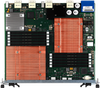
from ELMA Electronic Inc.
Features: High performance Intel ® Architecture processor blade. Two, quad-core Intel ® Xeon ® L5518 (2.13 GHz) processors. Up to 80GB main memory. Hot-swappable hard disk with flexible choice of storage options. RAID 0/1 support for external disk drives. Multiple network and storage I/O... [See More]
- Computer Bus: ATCA
- CPU Speed: 2130
- Processor / CPU: Intel® Xeon®
- Main Memory: 80000

from ELMA Electronic Inc.
Features: High performance processor blade with SMP support. Two, Quad-Core Intel Xeon (2.13 GHz) LV processors. Up to 32GB main memory. Ten Gigabit Ethernet ports. Multiple software packages including operating system. PICMG 3.0 Gigabit Ethernet base interface support. PICMG 3.1, Option 1 and 9... [See More]
- Computer Bus: ATCA
- CPU Speed: 2130
- Processor / CPU: Intel® Xeon®
- Main Memory: 32000