
Germane (GeH4) Gas Sensors
Description
Germane (GeH4) gas sensors are devices designed to detect the presence and concentration of germane gas in an environment. These sensors are crucial for monitoring and ensuring safety in areas where germane gas is used or produced.
Working Principle
The working principle of germane gas sensors typically involves the use of semiconductor materials or electrochemical reactions. In semiconductor sensors, the presence of germane gas causes a change in the electrical resistance of the sensor material, which can be measured and correlated to the gas concentration. Electrochemical sensors, on the other hand, use a chemical reaction to generate a current proportional to the concentration of germane gas. These sensors are useful because they provide a reliable and sensitive means of detecting potentially hazardous gas levels, ensuring safety and compliance with environmental standards.
Applications
Germane gas sensors are used in various industrial applications, particularly in the semiconductor manufacturing industry where germane is used as a precursor for germanium-containing compounds. They are also employed in research laboratories and facilities that handle or produce germane gas, providing critical safety monitoring to prevent accidental exposure.
Advantages over other Gas Sensors
Germane gas sensors, particularly those using semiconductor technology, offer advantages such as high sensitivity and specificity to germane gas. This specificity reduces the likelihood of false alarms caused by other gases, which is a common issue with some other types of gas sensors. Additionally, electrochemical sensors provide a direct correlation between gas concentration and sensor output, allowing for precise measurements.
Limitations
One limitation of germane gas sensors, especially those based on semiconductor technology, is their potential susceptibility to interference from other gases, which can affect accuracy. Additionally, some sensor types may require high operating temperatures, which can increase power consumption and operational costs.
Considerations
When selecting germane gas sensors, it is important to consider factors such as initial costs, which can vary depending on the sensor technology and manufacturer. Operating expenses should also be evaluated, particularly in terms of power consumption and the need for regular calibration to maintain accuracy. Durability and the sensor's ability to withstand harsh environmental conditions are crucial for long-term reliability. Maintenance costs, including the frequency of sensor replacement and calibration, should be factored into the overall cost of ownership.
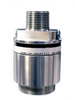
from RainWise, Inc.
Rainwise offers customized turnkey weather monitoring solution. [See More]
- Gas Types: Toxic (optional feature); Combustible (optional feature); NH3 (Contact Factory); AsH3 (Contact Factory); Br2 (Contact Factory); CO (Contact Factory); Cl2 (Contact Factory); ClO2 (Contact Factory); B2H6 (Contact Factory); F (Contact Factory); GeH4 (Contact Factory); H2 (Contact Factory); HCl (Contact Factory); HCN (Contact Factory); HF (Contact Factory); H2Se (Contact Factory); H2S (Contact Factory); NO (Contact Factory); NO2 (Contact Factory); O2 (Contact Factory); O3 (Contact Factory); PH3 (Contact Factory); SiH4 (Contact Factory); SO2 (Contact Factory)
- Number of Gases Monitored: Single
- Sensor Technology: Electrochemical
- Measurement Type: %LEL or %LFL; Trace

from Conspec Controls Inc.
CONSPEC Controls Multi-Channel Controller is a microprocessor-based multi-analog input controller. The P2259/60 was designed to be an independent stand-alone controller but can integrate into any type of data acquisition system. The Controller can provide up to eight channels of remote monitoring... [See More]
- Gas Types: Combustible; Aerosols; NH3; AsH3; Br2; CO2; CO; Cl2; ClO2; B2H6; F; GeH4; Refrigerants; Hydrocarbons; H2; HCl; HCN; HF; H2Se; H2S; NO; NO2; O2; O3; PH3; SiH4; SO2; SF6
- Number of Gases Monitored: Multi
- Sensor Technology: Catalytic; Electrochemical; Infrared; PID; Thermal Conductivity
- Measurement Type: %LEL or %LFL; %Volume; Trace
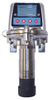
from Honeywell Analytics, Inc.
Highest performance fixed flammable and toxic gas detector with a choice of communication outputs, accessories and installation flexibility. Apex takes the best elements of gas detection design and combining them into one unit. Apex provides the highest performance, installation flexibility, a wide... [See More]
- Gas Types: Toxic; Combustible; NH3 (0-50 PPM / 0-1000 PPM); AsH3 (0-0.2 PPM); Br2 (0-0.4 PPM); CO (0-100 PPM / 0-500 PPM); Cl2 (0-2 PPM / 0-15 PPM); ClO2 (0-0.4 PPM); B2H6 (0-0.4 PPM); F (0-4 PPM); GeH4 (0-0.8 PPM); Hydrocarbons (0-100% LEL); H2 (0-1000 PPM); HCl (0-20 PPM); HCN (0-20 PPM); HF (0-12 PPM); H2S (0-15 PPM / 0-100 PPM); NO (0-100 PPM); NO2 (0-12 PPM); O2 (0-21 % v/v); O3 (0-4 PPM); PH3 (0-1.2 PPM); SiH4 (0-20 PPM); SO2 (0-8 PPM / 0-50 PPM) (Many other toxic gases- see datasheet)
- Number of Gases Monitored: Multi
- Sensor Technology: Catalytic; Electrochemical
- Measurement Type: %LEL or %LFL; %Volume; Trace

from Sensidyne, LP
Minimum Indicated Concentration .............. 0.07 ppm. Repeatability .............................................. ± 2% of reading. Accuracy * ................................................. ± 2% of full scale. Zero Drift ................................................... < 5%... [See More]
- Gas Types: Toxic; Combustible; GeH4 (0-2ppm)
- Number of Gases Monitored: Single
- Sensor Technology: Electrochemical
- Measurement Type: Trace