
Manufacturing Defect Analyzer (MDA) Automated Test Equipment
Description
Manufacturing Defect Analyzers (MDAs), also known as analog circuit testers, are specialized automated test equipment used to identify and locate defects in electronic assemblies. These defects can include shorts and missing components. MDAs are particularly focused on ensuring the integrity of the unit under test (UUT) without powering it up, which makes them unsuitable for testing digital integrated circuits (ICs) .
Working Principle
MDAs operate by analyzing the electrical characteristics of a powered-down circuit to detect anomalies that indicate defects. The premise is that the ICs within the circuit are functional, and the analyzer checks for issues such as shorts and missing components. This approach is beneficial because it allows for the detection of defects without the risk of damaging the components by powering them up. MDAs are useful because they provide a cost-effective solution for identifying manufacturing defects early in the production process, reducing the risk of faulty products reaching the market .
Applications
MDAs are primarily used in the electronics manufacturing industry to test printed circuit boards (PCBs) and other electronic assemblies. Specific examples include checking for soldering defects such as solder shorts and open circuits, as well as component defects like missing or misaligned components. They are particularly valuable in quality control processes to ensure that products meet the required specifications before they are shipped to customers .
Advantages over other Automated Test Equipment
One of the main advantages of MDAs over other types of automated test equipment is their cost-effectiveness. Because they do not require the UUT to be powered up, they are less complex and therefore less expensive than in-circuit testers or functional analyzers. This makes them an attractive option for manufacturers looking to reduce testing costs while still maintaining high quality standards .
Limitations
MDAs have specific limitations, primarily their inability to test digital ICs due to the requirement that the UUT remains powered down during testing. This means that while they are effective for detecting certain types of defects, they cannot be used for comprehensive testing of digital circuits or for verifying the functionality of powered components .
Considerations
When considering the implementation of MDAs, several factors should be taken into account. Initial costs are generally lower compared to other automated test equipment, making them a cost-effective choice for many manufacturers. However, operating expenses can vary depending on the complexity of the testing setup and the frequency of use. Durability and accuracy are generally high, but regular maintenance is required to ensure consistent performance. Replacement and maintenance costs should also be factored into the overall cost of ownership, as these can impact the long-term financial viability of using MDAs in a production environment .

from VJ Technologies, Inc.
VJ Inspection Systems' C-Arm X-ray system provides a universal, reliable, and versatile imaging system. Using digital image intensifier or recent-generation flat-panel technology, parts and assemblies may be scanned using an externally loaded, programmable material handling and image processing... [See More]
- Tester / Test Capability: Manufacturing Defect Analyzer; X-ray
- Component / Product Tested: Parts and Assembly Inspection
- Type / Form: Platform or Turnkey System; Output Measurement or Monitoring Unit
- Features: SPC
from VJ Technologies, Inc.
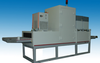
VJ Inspection Systems T-conveyor x-ray inspection systems deliver unparalleled robustness and high contrast images at competitive pricing. [See More]
- Tester / Test Capability: Manufacturing Defect Analyzer; X-ray
- Component / Product Tested: Parts on a Conveyor System
- Type / Form: Platform or Turnkey System; Output Measurement or Monitoring Unit
- Features: SPC

from VJ Technologies, Inc.
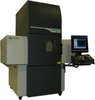
Our Vertex Series-A is a versatile, all purpose X-Ray system with a new modular design based on solid SRT engineering and offering a 20" x 24" Inspection area with 100% coverage. [See More]
- Tester / Test Capability: Manufacturing Defect Analyzer; X-ray
- Component / Product Tested: BareBoard; Loaded PCBs; Electronic Components and Assemblies
- Type / Form: Platform or Turnkey System; Output Measurement or Monitoring Unit
- Features: SPC
from VJ Technologies, Inc.
The VJ Electronix Vertex Series-CT is a dedicated Computed Tomography X-Ray system designed to provide the high accuracy and reliability required to perform 3D analysis of the inner structure of any specimen while still capable of the highest quality 2D inspection. [See More]
- Tester / Test Capability: Manufacturing Defect Analyzer; X-ray
- Component / Product Tested: Electronic Components and Assemblies
- Type / Form: Platform or Turnkey System; Output Measurement or Monitoring Unit
- Features: SPC

from VJ Technologies, Inc.
VJ Inspection Systems 4000 wheel inspection system images cast aluminum wheels in a single rotation. Operators receive a concise, accurate wheel discontinuity picture allowing optimized process adjustment. The wheel inspection system incorporates next generation linear diode array (LDA) imaging... [See More]
- Tester / Test Capability: Manufacturing Defect Analyzer; X-ray
- Component / Product Tested: Telematics / Automotive; Cast Aluminum Wheel Discontinuity
- Type / Form: Platform or Turnkey System; Output Measurement or Monitoring Unit
- Features: SPC