Ship Design and Construction, Volume II

Dedicated to the design of individual ship types, this volume provides historical development and and general arrangement plans of tankers, bulk carriers, fishing vessels, dredgers, and more.
 TABLE OF CONTENTS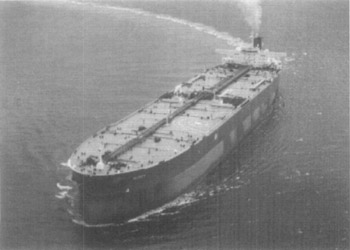
The International Maritime Organization (IMO) MARPOL convention defines an oil tanker as a ship constructed or adapted primarily to carry oil in its cargo spaces and includes combination carriers and chemical tankers when they are carrying a cargo of oil in bulk (1). Oil is defined as petroleum in any form, including crude oil, fuel oil, sludge, and oil refuse and refined products. This chapter describes design considerations for dedicated oil tankers, including crude oil carriers, shuttle tankers, and product tankers.
Tanker design is influenced by a number of diverse and sometimes competing factors. Independent shipowners control about 70% of the tanker tonnage, and most of these ships are on the spot market. These owners tend to build versatile vessels that are less likely to become obsolete as markets and conditions change. This practice has led to a commonality in sizes and configurations, particularly for large crude carriers. On the other hand, specific requirements related to the type of oil carried, the environment the vessel will be operating in, and the intended service encourage specialized designs optimized about a specific set of requirements. Shuttle tankers, lightering vessels, and coastwise product carriers often fall into...