Ship Design and Construction, Volume II
Dedicated to the design of individual ship types, this volume provides historical development and and general arrangement plans of tankers, bulk carriers, fishing vessels, dredgers, and more.
 TABLE OF CONTENTS
 The IMO SOLAS (Safety Of Life At Sea) convention defines a passenger ship as a vessel which carries more than 12 passengers. Passengers are all persons on board other than the crew members, regardless of whether they pay for the sea voyage or not. The international, national and classification society requirements for passenger ship design and construction depend on the size of the ship, number of passengers, the operating area and length of the route (1).

Passenger ships can be divided into three main types:
Cruise ships are related to leisure activities. The voyage lasts several days and usually the ship returns to the port of departure. Figure 37.1 shows a typical cruise ship.
Ferries sail on short routes transporting both passengers and vehicles. The trip lasts for some hours or at the most for one night. Ferries traveling on overnight routes can have a large passenger area, with cabins, restaurants and lounges. They are then called cruise ferries (2). Figure 37.2 shows a typical passenger and car ferry. For a detailed discussion on ferries, see Chapter 38.
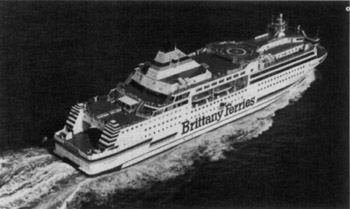
Figure 37.2: Passenger and Car Ferry Normandie
Fast ferries operate on short routes and use their high speed to reduce the transit time. The trips last normally less than 4 hours. To reach a high speed these ferries must be light and have very powerful machinery. IMO has developed...