
Shims and Shim Stock Information
Last revised: December 19, 2024
Basic Information
Shims and shim stock are used to fill in a space between two mating surfaces or components. Shim stock consists of thin pieces of metal, plastic or other material used to fill space between objects for support, leveling, or adjustment of fit. Shims and shim stock can also act as electrical insulation and seal joints.
Types
- Valve shims are used to adjust valve spring pressure.
- Laminated shims allow layers can be peeled away to produce a shim of required thickness.
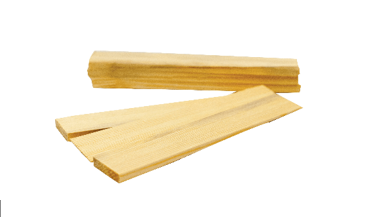
- A carpenter or cabinet-maker can use small pieces of wood (shims) to fill gaps between larger pieces.
- Bearing shims are used for bearing adjustment.
- A shim kit contains shims of varying thicknesses and sizes arranged in a carrying case with labels for easy selection of the right size shim.
Specifications
Shims and shim stock can be purchased in sheets and/or rolls depending on thickness, color, and tolerance.
Size
Metric shims are specified in units such as millimeters (mm).
Material
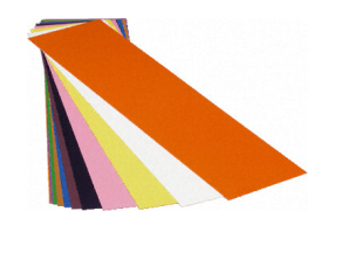
Metal shims can be 304 stainless steel, carbon steel, aluminum, copper, and brass. Plastic shims are color-coded for quick, accurate recognition of thickness at time of use. Custom shims can be fabricated to required specifications, including material, size, and finish.
Shape
Plastic shims are color-coded for quick, accurate recognition of thickness at time of use. Custom shims can be fabricated to required specifications, including material, size, and finish.
Slotted shims are used on assembled machine components. The slot aligns the shim to be installed without disassembling the rotating shaft components or motor mounts. Shims and shim stock can be thin or thick, tapered or wedged.
Aircraft Applications
Standard shims for aircraft can be identified by manufacturer and part number, for example Bell Helicopter 120-062 and 120-098, or Boeing Airplane Company BACF3F or BACF3T.
Standards
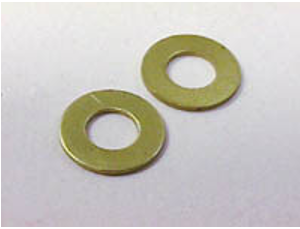
Shims and shim stock meet standards set by ASTM International, for example, AS5371 for notched shims for magnetic particle inspection.
Shims and shim stock can be designed to meet specific industry requirements, such as the Society of Automotive Engineers (SAE) specification for filled-resin compound shims (SAE AMS3726C). DIN 65553 covers aerospace shims with holes.
Shims and Shim Stock FAQs
How do different types of shims impact the performance and stability of mechanical assemblies?
Different types of shims can significantly impact the performance and stability of mechanical assemblies. Here are some key points based on the information available:
Material Selection
Plastic Shims: These are cost-effective and easy to use, especially at temperatures below 200° F. They are available in a wide range of thicknesses, which allows for precise adjustments in mechanical assemblies. As a system ages, thicker shims can be used to maintain tight tolerances and extend the machine's usable life.
Laminated Shims: These are used for tolerance compensation, precision alignment, and wear compensation. They are particularly useful in applications where rotating shafts and sliding or stationary surfaces must be parallel, where endplay is unacceptable, or where accumulated tolerances are difficult to control.
Applications and Benefits
Tolerance Compensation: Shims help eliminate the need for precision tolerances on mating components and compensate for accumulated tolerances during assembly.
Precision Alignment: They align parallel and angular surfaces, ensuring that interfacing elements are properly coupled.
Wear Compensation: Shims can be designed as sacrificial components to maintain the original accuracy of the equipment.
Environmental Considerations
In static load environments, the choice of shim material is crucial. Compression strength and temperature rating are major selection criteria, as rotational issues like friction and drag wear are less significant.
These factors highlight the importance of selecting the right type of shim for specific applications to ensure optimal performance and stability of mechanical assemblies.
How do laminated shims differ from other types of shims in terms of performance?
Laminated shims differ from other types of shims in terms of performance in several key ways:
Tolerance Compensation
Laminated shims are particularly effective for tolerance compensation. They eliminate the need for precision tolerances on mating components and compensate for accumulated tolerances during assembly. This makes them a preferred choice when precise adjustments are necessary.
Precision Alignment
These shims are designed to align parallel and angular surfaces, ensuring that interfacing elements are properly coupled. This is crucial in applications where precise alignment is necessary to maintain the integrity and functionality of the assembly.
Wear Compensation
Laminated shims can be designed as sacrificial components to maintain the original accuracy of the equipment. This means they can absorb wear and tear, protecting the more critical components of the assembly.
Application Scenarios
Laminated shims are particularly useful in situations where rotating shafts and sliding or stationary surfaces must be parallel, where endplay is unacceptable, or where accumulated tolerances are difficult to control. They are also beneficial in environments where rotating wear, sliding wear, or other forces change an assembly’s or component’s dimensions.
These characteristics make laminated shims a versatile and effective choice for applications requiring high precision and adaptability to wear and tolerance variations.
How do environmental factors affect the performance of laminated shims?
Environmental factors can significantly affect the performance of laminated shims in various ways. Here are some key considerations based on the information available:
Material Selection and Temperature
The choice of material for laminated shims is crucial, especially in environments with varying temperatures. For instance, plastic shims are typically used at temperatures below 200°F due to their cost-effectiveness and ease of use. However, for laminated shims, the material must be chosen to withstand the specific temperature conditions of the application to maintain performance and stability.
Compression Strength
In static load environments, the compression strength of the shim material is a major selection criterion. Laminated shims must be able to withstand the compressive forces they are subjected to without deforming, which can be influenced by environmental conditions such as temperature and humidity.
Wear and Tear
Laminated shims are often designed to be sacrificial components that absorb wear and tear, protecting more critical components of the assembly. Environmental factors such as exposure to moisture, chemicals, or abrasive particles can accelerate wear, affecting the shim's ability to maintain precision alignment and tolerance compensation over time.
Rotational and Sliding Wear
Although rotational issues like friction and drag wear are less significant in static environments, they can still impact laminated shims in dynamic applications. Environmental factors that increase friction or introduce contaminants can exacerbate wear, potentially altering the dimensions of the assembly or component.
These factors highlight the importance of considering environmental conditions when selecting and applying laminated shims to ensure optimal performance and longevity.
What are some common applications of laminated shims in engineering?
Laminated shims are commonly used in engineering for several applications due to their unique properties and capabilities. Here are some common applications:
Tolerance Compensation
Laminated shims are used to eliminate the need for precision tolerances on mating components. They help compensate for accumulated tolerances during assembly, making them ideal for applications where precise adjustments are necessary.
Precision Alignment
These shims are employed to align parallel and angular surfaces, ensuring that interfacing elements are properly coupled. This is crucial in applications where maintaining the integrity and functionality of the assembly is essential.
Wear Compensation
Laminated shims can be designed as sacrificial components to absorb wear and tear, thereby protecting more critical components of the assembly. This application is particularly useful in maintaining the original accuracy of equipment over time.
Specific Application Scenarios
They are particularly useful in situations where rotating shafts and sliding or stationary surfaces must be parallel, where endplay is unacceptable, or where accumulated tolerances are difficult to control. Additionally, they are beneficial in environments where rotating wear, sliding wear, or other forces change an assembly’s or component’s dimensions.
These applications highlight the versatility and effectiveness of laminated shims in various engineering contexts, especially where high precision and adaptability to wear and tolerance variations are required.
What are the key considerations when selecting shims for high-temperature applications?
When selecting shims for high-temperature applications, there are several key considerations to keep in mind:
Material Selection
The choice of material is critical for high-temperature applications. Materials must be able to withstand the specific temperature conditions without losing their structural integrity. For example, plastic shims are typically used at temperatures below 200°F due to their cost-effectiveness and ease of use, but they may not be suitable for higher temperatures.
Compression Strength
In static load environments, the compression strength of the shim material is a major selection criterion. The material must be able to withstand the compressive forces it is subjected to at high temperatures without deforming.
Thermal Expansion
Consideration of the thermal expansion properties of the shim material is important. Materials that expand significantly with temperature changes can affect the precision and alignment of the assembly.
Wear and Tear
High temperatures can accelerate wear and tear on shims. Selecting materials that can maintain their wear resistance at elevated temperatures is crucial to ensure the longevity and reliability of the assembly.
Environmental Conditions
Other environmental factors, such as exposure to moisture, chemicals, or abrasive particles, can also impact the performance of shims in high-temperature applications. It's important to select materials that can resist these conditions.
These considerations are essential to ensure that the selected shims perform effectively and maintain the stability and precision of mechanical assemblies in high-temperature environments.
Shims and Shim Stock Media Gallery
References
GlobalSpec—The Right Shims for the Right Applications
Spirol—Shims? Make Mine Laminated
Image credit:
- bearing shim
- bronze Shim Stock
- tolerance ring
- Beryllium Copper Shim Stock
- 6061 Aluminum Shim Stock
- brass Shim
- machine leveling shim
- Zinc Shim
- 4140 Shim Stock
- copper Shim
- metric shim stock
- multiple slotted shims
- radial spring
- resin shims
- shaft tolerance ring
- Tungsten Shim Stock
- 7075 Aluminum Shim Stock
- color coded plastic shim stock
- elastic shim
- galvanized shim stock
- aaa slotted shims
- aircraft laminated shim stock
- aluminum nickel bronze shim stock
- babbitt bearing shims
- bearing retainer shims
- CPU heatsink copper shims
- hardened shim stock
- nylon shim stock
- pallet rack shims
- piston ring shims