
Combustion Ovens (industrial)
Description
Combustion ovens are industrial heating devices that generate heat through the combustion of fuels such as gas, oil, biomass, or waste products. These ovens are designed to provide controlled heating environments for various industrial processes, ensuring consistent temperature exposure across the materials being processed.
Working Principle
Combustion ovens operate by burning a fuel source to generate heat, which is then used to heat materials either directly or indirectly. The combustion process involves a chemical reaction between the fuel and an oxidizer, typically oxygen from the air, resulting in the release of heat energy. This heat can be transferred to the materials inside the oven through convection, conduction, or radiation. Combustion ovens are useful because they can efficiently produce high temperatures necessary for many industrial processes, and they can be designed to accommodate large volumes of material.
Applications
Combustion ovens are used in a variety of industrial applications. Specific examples include:
- Brazing: Joining metal parts by fusing a layer of brass between surfaces, requiring a red heat and protection from oxidation.
- Burn-off: Removing cured paint, epoxies, and plastics from metal parts.
- Curing: Altering heated media through chemical or physical processing changes.
- Drying: Removing moisture from objects within the oven.
Advantages over other Ovens (industrial)
Combustion ovens have several advantages over other types of industrial ovens:
- High Temperature Capability: They can achieve higher temperatures compared to some electric ovens, making them suitable for processes that require intense heat.
- Fuel Flexibility: They can operate on various fuels, including natural gas and oil, providing flexibility in fuel choice based on availability and cost.
- Cost Efficiency: In regions where natural gas or other fuels are cheaper than electricity, combustion ovens can offer lower operating costs.
Limitations
Combustion ovens also have certain limitations:
- Emissions: The combustion process can produce emissions that may require additional controls to meet environmental regulations.
- Fuel Dependency: Their operation is dependent on the availability and cost of fuel, which can fluctuate.
- Maintenance: They may require more frequent maintenance due to the complexity of the combustion system and the need to manage emissions.
Considerations
When considering the purchase and operation of a combustion oven, several factors should be taken into account:
- Initial Costs: The cost of purchasing and installing a combustion oven can be significant, especially if additional emission control systems are required.
- Operating Expenses: Fuel costs can vary, impacting the overall operating expenses. It's important to consider the long-term availability and price stability of the chosen fuel.
- Durability and Maintenance: Regular maintenance is necessary to ensure efficient operation and compliance with emission standards. This includes checking burners, fuel lines, and emission control systems.
- Accuracy: Ensuring temperature uniformity and control is crucial for process consistency and product quality.
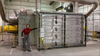
from Harper International Corporation
Harper offers advanced oxidation ovens to complement its industry-leading furnaces for Carbon Fiber processing. Our state-of-the-art oven designs available for tow-bands from 300mm to greater than 4000mm. Harper ’s most recent 3 meter wide production scale Oxidation Oven (section of Oven... [See More]
- Heat Source: Combustion
- Features: Cooling
- Atmosphere: Air / Oxidizing