
Inert Ovens (industrial)
Description
Inert ovens are specialized industrial ovens designed to create a controlled atmosphere within the heating chamber by injecting inert gas, such as nitrogen or argon. This process effectively replaces the oxygen in the chamber, minimizing the risk of oxidation and other unwanted chemical reactions during the heating process.
Working Principle
Inert ovens operate by introducing an inert gas into the oven chamber, which pressurizes the space and displaces oxygen. This controlled environment is crucial for processes that are sensitive to oxidation or other reactions that could occur in the presence of oxygen. The high integrity welds and special motor seals ensure that the inert atmosphere is maintained throughout the heating cycle. Cooling systems, such as water coils or air-to-air heat exchangers, may also be integrated to manage the temperature and maintain the desired conditions within the oven .
Applications
Inert ovens are particularly useful in applications where oxidation must be avoided. For example, they are used in the heat treatment of metals that are prone to oxidation at high temperatures. They are also employed in the electronics industry for processes like soldering, where the presence of oxygen could lead to defects in the final product.
Advantages over other Ovens (industrial)
Inert ovens offer significant advantages over traditional industrial ovens when it comes to processes that require a non-oxidizing environment. By maintaining an inert atmosphere, these ovens prevent oxidation and other undesirable reactions, which can improve the quality and consistency of the final product. This makes them ideal for sensitive applications such as the manufacturing of electronic components and the treatment of reactive metals.
Limitations
One of the primary limitations of inert ovens is the additional cost associated with maintaining an inert atmosphere. This includes the expense of the inert gas itself, as well as the need for specialized equipment to ensure the integrity of the oven chamber. Additionally, the complexity of these systems can lead to higher maintenance requirements compared to standard industrial ovens.
Considerations
When considering the purchase of an inert oven, it is important to evaluate the initial costs, which can be higher due to the specialized nature of the equipment. Operating expenses are also a factor, as the continuous supply of inert gas can add to the overall cost of operation. Durability and accuracy are critical, as the oven must maintain a consistent inert atmosphere to ensure process reliability. Replacement and maintenance costs should also be considered, as the specialized components may require more frequent servicing or replacement compared to conventional ovens.
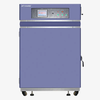
from Guangdong Atmars Industry Co., Limited
Inert gas oven is a new type of industrial-grade drying equipment, forming high-temperature hot air with uniform temperature that heats the inside of the box to ensure that the inside of the oven reaches the ideal temperature environment. The products are widely used in preheating, aging, baking,... [See More]
- Atmosphere: Inert
- Capacity: 22.6
- Temperature Range: 68 to 536
- Application: Aging; Baking; Curing; Drying; Preheat; Quenching
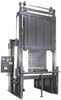
from L&L Special Furnace Co., Inc.
The DV/DR SERIES Floor Standing Recirculating Cabinet Ovens feature high volume air recirculation for high temperature uniformity, gas or electric operation, a stainless steel interior and a precision PID digital control system. They are designed for heavy duty production heat treating applications... [See More]
- Atmosphere: Inert
- Capacity: 8.0
- Temperature Range: 1300
- Application: Annealing; Tempering

from Terra Universal, Inc.
Heavy-duty construction allows efficient, high-temperature operation for heavy throughput. Double doors facilitate easy pass-through operations. Pre-heated gas manifold guarantees temperature uniformity during gas flow. Door flanges hold circulating water for quick cooling during cycling operations. [See More]
- Atmosphere: Inert; Vacuum Oven / Furnace
- Capacity: 0.8
- Temperature Range: 572 to 662
- Vacuum / Pressure Range: Low or Roughing Vacuum (> 1 torr); Low / Medium (HV < 1 torr, >10-3 torr); (HV, < 10-3, >10-8 torr)

from Despatch - ITW EAE
PN Series Inert Atmosphere Oven. The PN Series Inert Atmosphere Ovens are designed to accommodate a wide variety of processes where an inert atmosphere is required to prevent product oxidation. Typical applications include curing, bonding and heat treating. The PN Series contains a digital PID... [See More]
- Atmosphere: Inert
- Capacity: 9.0
- Temperature Range: 104 to 650
- Application: Curing; Heat Treatment
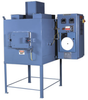
from L&L Special Furnace Co., Inc.
The VB SERIES Bench Mounted Electric Recirculating Cabinet Ovens feature air recirculation for high temperature uniformity, simple, clean, electric operation, a stainless steel interior and a precision PID digital control system. These are ideal for laboratory or small production use such as... [See More]
- Atmosphere: Inert
- Capacity: 2.0
- Temperature Range: 1300
- Application: Annealing; Tempering

from Terra Universal, Inc.
Economical oven delivers wide temperature and vacuum range at an affordable price. Modular design allows easy attachment to Terra Stainless Steel Atmospheric Chambers. Double-door design enhances flexibility, allows pass-through operations. All stainless steel construction is suitable for operations... [See More]
- Atmosphere: Inert; Vacuum Oven / Furnace
- Capacity: 0.5
- Temperature Range: 50 to 300
- Vacuum / Pressure Range: Low or Roughing Vacuum (> 1 torr); Low / Medium (HV < 1 torr, >10-3 torr); (HV, < 10-3, >10-8 torr)

from Despatch - ITW EAE
RBC Benchtop Burn-In Oven. Despatch ’s RBC Burn-In Benchtop Ovens offer maximum flexibility for small lot qualification testing, burn-in, reliability testing, and research and development. Flexibility. The stackable burn-in benchtop ovens allow users to run concurrent tests utilizing different... [See More]
- Atmosphere: Air / Oxidizing; Inert
- Capacity: 4.7
- Temperature Range: 122 to 500
- Application: Qualification Testing, Burn-In