
Quenching Ovens (industrial)
Description
Quenching ovens are specialized industrial equipment designed for the rapid cooling of heated materials. They are integral to processes that require precise temperature control to alter the physical properties of metals and other materials.
Working Principle
Quenching ovens operate by rapidly cooling heated workpieces, typically using mediums such as water, air, or oil. This rapid cooling process is crucial in preventing phase transformations and other undesirable low-temperature processes. By minimizing the time span in which these processes can occur, quenching ovens help maintain the desired material properties, making them essential in heat treatment applications.
Applications
Quenching ovens are widely used in the metalworking industry, particularly in processes like induction hardening. For example, they are employed to cool metal parts quickly after they have been heated to high temperatures, ensuring that the metal retains its hardness and strength. This is particularly important in the manufacturing of tools, automotive parts, and other components where durability is critical.
Advantages over other Ovens (industrial)
Quenching ovens offer distinct advantages over other types of industrial ovens due to their ability to rapidly cool materials. This rapid cooling capability is not typically found in other oven types, which may focus on heating or maintaining specific temperatures rather than cooling. This makes quenching ovens particularly valuable in applications where maintaining specific material properties is essential.
Limitations
One limitation of quenching ovens is their specificity; they are designed primarily for rapid cooling and may not be suitable for applications requiring gradual temperature changes or precise heating control. Additionally, the rapid cooling process can sometimes lead to thermal shock in certain materials, potentially causing cracking or other forms of damage.
Considerations
When considering the purchase or use of a quenching oven, several factors should be taken into account. Initial costs can be significant, given the specialized nature of these ovens. Operating expenses may also be higher due to the energy required for rapid cooling processes. Durability and maintenance are critical, as the intense conditions within the oven can lead to wear and tear over time. Ensuring accuracy in temperature control is essential to achieve the desired material properties, and regular maintenance is necessary to keep the oven functioning optimally. Replacement parts and maintenance costs should also be factored into the overall cost of ownership.
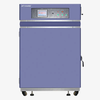
from Guangdong Atmars Industry Co., Limited
Inert gas oven is a new type of industrial-grade drying equipment, forming high-temperature hot air with uniform temperature that heats the inside of the box to ensure that the inside of the oven reaches the ideal temperature environment. The products are widely used in preheating, aging, baking,... [See More]
- Application: Aging; Baking; Curing; Drying; Preheat; Quenching
- Capacity: 22.6
- Temperature Range: 68 to 536
- Heat Source: Electric / Resistance

from Wisconsin Oven Corporation
What is a Drop Bottom Furnace?. The concept of a drop bottom is very simple, and its name is derived from the process. The product, often loaded in baskets or on a grid, is positioned under the oven and is attached to a lift mechanism. Theload is then lifted into the chamber and the doors, located... [See More]
- Application: Heat Treatment; Quenching
- Capacity: 64.0
- Temperature Range: 1200
- External: Vertical (Bell Top); Drop Bottom