
Clad / Bimetal Ferrous Metals and Iron Alloys
Last Updated: April 1, 2025
Description
Clad or bimetal ferrous metals and iron alloys are composite materials that consist of two or more layers of different metals bonded together. These materials are designed to combine the beneficial properties of each metal layer, such as strength, corrosion resistance, or thermal conductivity, into a single product. The cladding process allows for the strategic placement of these properties where they are most needed, enhancing the overall performance of the material.
Working Principle
The working principle of clad or bimetal ferrous metals involves metallurgically bonding different metal layers through processes such as inlay cladding or overlay cladding. Inlay cladding bonds dissimilar metals only where necessary, allowing for precise placement of properties. Overlay cladding, on the other hand, uses extreme pressure and sometimes heat to bond materials without adhesives or fillers, creating a multi-layered structure. This process enhances the base material's properties, such as corrosion resistance or thermal conductivity, making the composite material more versatile and effective for various industrial applications.
Applications
Clad and bimetal materials are widely used in applications where specific properties are required in certain areas. For example, they are commonly used in temperature indicating devices, thermostats, and thermal actuators. In the electrical industry, circuit breakers often utilize bimetal actuators to detect overheating and trip the circuit-protection device. Additionally, cladding is employed in creating bearing and seal surfaces, pump components, drive train parts, turbine blades, extruders, forging dies, rolls, and tanks, providing enhanced durability and performance in these components.
Advantages over other Ferrous Metals and Iron Alloys
Clad and bimetal ferrous metals offer several advantages over traditional ferrous metals and iron alloys. For instance, they can provide superior corrosion resistance by combining a corrosion-resistant outer layer with a more cost-effective base metal. This combination allows for the use of less expensive materials without sacrificing performance. Additionally, the ability to tailor the properties of the composite material to specific needs, such as enhanced thermal or electrical conductivity, makes them highly versatile and efficient for specialized applications.
Limitations
Despite their advantages, clad and bimetal ferrous metals have limitations. The complexity of the cladding process can lead to higher initial costs compared to using single metal alloys. Additionally, the bonding process may introduce potential weak points at the interfaces between layers, which could affect the material's overall strength and durability under certain conditions. These materials may also require specialized maintenance and repair techniques, which can increase operating expenses over time.
Considerations
When considering the use of clad or bimetal ferrous metals, it is important to evaluate factors such as initial costs, which can be higher due to the complexity of the cladding process. Operating expenses may also be impacted by the need for specialized maintenance and potential replacement costs if the material's layers become compromised. However, the durability and enhanced properties of these materials can offer long-term benefits that outweigh the initial investment. It is crucial to assess the specific requirements of the application to determine if the advantages of clad or bimetal materials justify the associated costs.
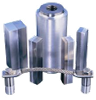
from Qnnect, formerly Hermetic Solutions Group
Materials may exhibit good corrosive resistance, electrical conductivity, or thermal conductivity, yet lack in the areas of strength, hardness, weld-ability, or wear resistance characteristics required in the final design. Qnnect, formerly Hermetic Solutions Group has helped customers to achieve the... [See More]
- Type: CladBimetal
- Features: Corrosion Resistant
- Shape / Form: Fabricated Parts or Shapes (Castings, Forgings, Machined Parts, etc.); Billet / Bloom
- Applications: Bearings or Bearing Quality; Electronics or semiconductors; Marine; Nuclear; Pressure Vessel (PVQ); Wear resistant parts or tooling
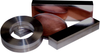
from Qnnect, formerly Hermetic Solutions Group
Design engineers are often faced with the dilemma of material selection, and frequently, they find that a combination of materials provides the optimal properties required by the design. Qnnect, formerly Hermetic Solutions Group ’s explosively bonded metals can join otherwise incompatible... [See More]
- Type: CladBimetal
- Features: Corrosion Resistant
- Shape / Form: Fabricated Parts or Shapes (Castings, Forgings, Machined Parts, etc.); Billet / Bloom
- Applications: Bearings or Bearing Quality; Electronics or semiconductors; Marine; Nuclear; Pressure Vessel (PVQ); Wear resistant parts or tooling