
Power Bipolar Transistors Information
Last revised: January 16, 2025
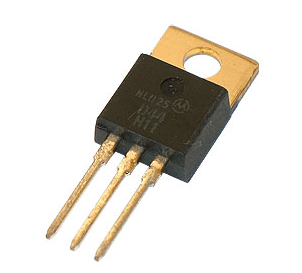
Power bipolar transistors are semiconductors in which a base n-type or p–type layer is sandwiched between emitter and collector layers of the opposite type. There are two polarities available: PNP and NPN.
- PNP devices consist of an n-type layer sandwiched between two p-type layers.
- NPN devices consist of a p-type layer sandwiched between two n-type layers.
With both arrangements, the junctions between semiconductor sections amplify weak incoming signals. In addition, the thick and low-doped collector region results in a large blocking voltage.
Typically, power bipolar transistors are operated at lower current densities to improve the power dissipation per unit of area. Larger devices are used with larger currents. Silicon is the most commonly used material because of its high thermal conductivity and relatively low cost. Silicon carbide offers performance advantages, but is a more expensive material.
Performance Specifications
Performance specifications for power bipolar transistors include:
- Collector-to-emitter breakdown voltage is the maximum allowable value of voltage able to apply continuously in the reverse direction of the collector junction with the emitter open.
- Collector-to-base breakdown voltage when the emitter terminal is open.
- Maximum collector current is the maximum current that the collector can handle while the transistor is active.
- Current gain bandwidth product is the frequency at which the static forward current transfer ratio is in unity.
- Static forward current transfer ratio, which is also known as common-emitter current gain, is the ratio of the input DC current and the output DC current.
- Power dissipation, the total power consumption of the device, is usually measured in watts (W) or milliwatts (mW).
- Other performance specifications for bipolar transistors include:
- Power gain
- Output power
- Temperature range
Some devices support a specific temperature range and feature mechanical and electrical specifications that are suitable for commercial, industrial, or automotive applications. Other power bipolar transistors meet screening levels for military specifications (MIL-SPEC).
Package Types
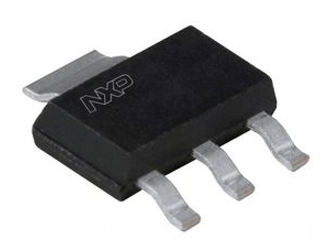
Basic IC package types for power bipolar transistors are transistor outline (TO), small outline (SO), and small outline transistor (SOT).
For each package type, many variants are available. Transistor outline packages include:
- TO-92, a single in-line package often used for low power devices
- TO-220, which is suitable for high power, medium current, and fast-switching power devices.
- TO-263, the surface-mount version of the TO-220 package.
Small outline transistor packages include:
- SOT23, which is often used in home appliances, office and industrial equipment, personal computers, printers, and communication equipment.
- SOT89, a plastic, surface mounted package with three leads and a collector pad for good heat transfer.
- SOT223, an encapsulated package that provides excellent performance in environments with high temperatures and humidity levels.
IC package types for IGBTs also include discrete or deca-watt package (DPAK) and flat package (FPAK).
Packing Methods
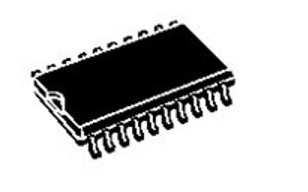
Packing methods for power bipolar transistors consist of tape reel, rail, bulk pack, and tube technologies.
- The tape reel method packs components in a tape system by reeling specified lengths or quantities for shipping, handling, and configuration in industry-standard automated board-assembly equipment.
- Rail, another standard packing method, is typically used only in production environments.
- Bulk pack devices are distributed as individual parts, while tray components are shipped in trays.
- The tube or stick magazine method is used to feed power bipolar junction transistors into automatic placement machines for through-hole or surface mounting.
Standards
JEDEC JESD 24-4 — Thermal Impedance Measurements for Bipolar Transistors (Delta Base-Emitter Voltage Method)
Power Bipolar Transistors FAQs
How do different package types of power bipolar transistors affect their thermal management and overall performance?
Package Types: Transistor outline (TO) packages such as TO-92, TO-220, and TO-263 are commonly used for different power levels and applications. For instance, TO-220 is suitable for high power, medium current, and fast-switching power devices.
Thermal Management: The choice of package type can influence thermal management capabilities. For example, metal packages might handle thermal conditions better than plastic packages, as suggested by the comparison between power transistors and plastic-packaged MOSFETs.
Performance Considerations: The package type can also affect the overall performance of the transistor, including factors like switching speed and power dissipation. The construction and material of the package can impact the reliability and efficiency of heat dissipation, which in turn affects performance.
How does thermal management impact the reliability of power bipolar transistors?
Thermal management plays a crucial role in the reliability of power bipolar transistors.
Heat Dissipation and Reliability: Effective thermal management is essential to maintain the reliability and longevity of semiconductor devices, including power bipolar transistors. As the operating temperature of a device increases, it can lead to thermal runaway, where excessive heat causes further temperature increases, potentially damaging the device.
Impact of Temperature on Device Lifespan: Excessive heat buildup is a major cause of failure in electronic systems. Reports indicate that 55% of all failures are caused by temperature-related issues. Reducing the temperature of electronic components by 10°C can, on average, double the lifespan of a device, according to Arrhenius’ Law of Chemical Activity.
Junction Temperature and Reliability: The junction temperature, which is the temperature of the base semiconductor in the device, is a critical factor in device reliability. Maintaining a lower junction temperature is key to maximizing the Mean Time To Failure (MTTF) of the device.
Thermal Expansion and Mechanical Stress: The interfaces between different materials in a power module, such as the soldered interface between the power die and the substrate, are critical for thermal conductivity. Differences in the Coefficient of Thermal Expansion (CTE) between materials can lead to mechanical stresses and potential failure after a number of thermal cycles.
These insights highlight the importance of efficient thermal management in ensuring the reliability and performance of power bipolar transistors. If you have further questions or need more detailed information, consulting with a human engineering expert or referring to detailed datasheets and technical documents might provide more comprehensive insights.
What are some common thermal management techniques for power transistors?
Heat Dissipation: Efficient heat dissipation is crucial for maintaining the reliability and longevity of semiconductor devices. This involves managing the heat generated by densely packed transistors to prevent thermal runaway, which can damage the device.
Material Selection: The interfaces between different materials in a power module, such as the soldered interface between the power die and the substrate, are critical for thermal conductivity. Selecting materials with compatible Coefficients of Thermal Expansion (CTE) can help reduce mechanical stresses and potential failure after thermal cycles.
Temperature Management: Reducing the operating temperature of electronic components can significantly extend their lifespan. For instance, decreasing the temperature by 10°C can, on average, double the lifespan of a device.
What are the differences in thermal management between metal and plastic packages?
Thermal Conductivity
Metal packages generally have better thermal conductivity compared to plastic packages. This means they can dissipate heat more efficiently, which is crucial for maintaining the reliability and performance of power transistors.
Heat Dissipation
Metal packages are often preferred in applications where high power dissipation is required because they can handle thermal conditions more effectively. This is particularly important in preventing thermal runaway, a condition where excessive heat leads to further temperature increases, potentially damaging the device.
Mechanical Stress and Reliability
The interfaces between different materials in a power module, such as those found in metal packages, are critical for thermal conductivity. Differences in the Coefficient of Thermal Expansion (CTE) between materials can lead to mechanical stresses, which are more pronounced in plastic packages due to their lower thermal conductivity. This can potentially lead to failure after a number of thermal cycles.
What are some advanced thermal management techniques for power transistors?
Double-Sided Cooling
The use of silver sintering and a wire bondless structure in power transistors, such as the STO247 package, allows for heat dissipation from both sides of the die. This approach can reduce die temperature by approximately 30%, significantly increasing reliability and performance, and enabling higher power density designs.
Material and Structural Innovations
Advanced packaging techniques, such as using materials with high thermal conductivity and designing packages that allow for efficient heat extraction, are crucial. For example, the redesign of epoxy mold compounds to withstand higher temperatures can enhance thermal management capabilities.
What are the benefits of using silver sintering in power transistor packaging?
The benefits of using silver sintering in power transistor packaging are highlighted in the context of advanced thermal management techniques.
Improved Thermal Management
Silver sintering allows for heat dissipation from both sides of the die, which can reduce the die temperature by approximately 30%. This significant reduction in temperature enhances the reliability and performance of the component.
Increased Reliability
By lowering the die temperature, silver sintering contributes to increased reliability of the power transistor. This is crucial for applications that demand high performance and long-term stability.
Higher Power Density
The use of silver sintering enables designs with much higher power density. This is beneficial for applications where space is limited, and high power output is required.
Enhanced Performance
The wire bondless structure facilitated by silver sintering improves the overall performance of the power transistor. This structural innovation allows for better thermal management and efficiency.
These benefits make silver sintering a valuable technique in the packaging of power transistors, especially in high-performance applications such as automotive electronics.
What are the limitations of traditional packaging methods for power transistors?
Traditional packaging methods for power transistors, such as the classic TO247 package, have several limitations, particularly when it comes to thermal management and performance.
Inductance and Heat Dissipation
Traditional packaging methods like the TO247 package, which use wire bonding and a copper tab, face challenges in managing inductance and heat dissipation. These aspects are critical in applications where efficient thermal management is necessary.
Thermal Management
The classic package structures may not allow for optimal heat extraction, which can limit the ability to manage the thermal conditions effectively. This can lead to higher die temperatures, reducing the reliability and performance of the power transistor.
Power Density Limitations
Traditional packaging methods may not support designs with high power density. This is a significant limitation in applications where space is constrained, and high power output is required.
Material and Structural Constraints
The materials and structural design of traditional packages may not be optimized for high-temperature operations, which can limit their performance in demanding applications.
These limitations highlight the need for advanced packaging techniques, such as those incorporating silver sintering and wire bondless structures, to improve thermal management and enhance the performance and reliability of power transistors.
What are the benefits of using wire bondless structures in power transistor packaging?
The benefits of using wire bondless structures in power transistor packaging are highlighted in the context of advanced thermal management techniques.
Improved Thermal Management
Wire bondless structures, combined with silver sintering, allow for heat dissipation from both sides of the die. This can reduce the die temperature by approximately 30%, significantly enhancing the reliability and performance of the component.
Increased Reliability
By lowering the die temperature, wire bondless structures contribute to increased reliability of the power transistor. This is crucial for applications that demand high performance and long-term stability.
Higher Power Density
The use of wire bondless structures enables designs with much higher power density. This is beneficial for applications where space is limited, and high power output is required.
Enhanced Performance
The structural innovation of wire bondless packaging improves the overall performance of the power transistor. This allows for better thermal management and efficiency.
These benefits make wire bondless structures a valuable technique in the packaging of power transistors, especially in high-performance applications such as automotive electronics.
Power Bipolar Transistors Media Gallery
References
Electronics360—Power Transistor Handles Thermal Conditions Better Than Plastic Packaged MOSFETs
Electronics360—As node sizes shrink, manufacturing challenges grow
GlobalSpec—Power modules: Typical failure modes and how to solve them
Image credits:
Motorola | NXP | Jameco