
Carbonates Inorganic Chemicals and Compounds
Last Updated: April 1, 2025
Description
Carbonates are a group of inorganic chemicals and compounds characterized by the presence of the carbonate ion, CO3²?. These compounds are typically found in various forms, including bulk solids like pellets, flakes, or granules. A common example of a carbonate is calcium carbonate (CaCO3), which occurs naturally as the mineral calcite. Calcite is a widely distributed mineral found in sedimentary rocks, as well as in formations such as stalactites and stalagmites in caves. It can appear in a range of colors depending on impurities and may exhibit properties like phosphorescence or fluorescence .
Working Principle
Carbonates function primarily through their ionic structure, which involves the carbonate ion (CO3²?) forming ionic bonds with metal cations. This ionic nature contributes to the stability and reactivity of carbonate compounds. The carbonate ion can participate in various chemical reactions, such as neutralizing acids, which is a fundamental property that makes carbonates useful in a wide range of chemical processes. The charge neutrality of these compounds is crucial to their structure and properties, allowing them to maintain stability in different environments .
Applications
Carbonates are used in numerous applications due to their chemical properties. For instance, calcium carbonate is employed as a filler in artificial stone and as a neutralizing agent for acids. It is also used in agriculture to sweeten soils and as a component in chicken grit. Additionally, marble dust, a form of calcium carbonate, is utilized in abrasives and soaps. These specific applications highlight the versatility of carbonates in various industries .
Advantages over other Inorganic Chemicals and Compounds
One of the advantages of carbonates, such as calcium carbonate, over other inorganic compounds is their ability to neutralize acids effectively, making them valuable in applications requiring pH adjustment. Additionally, carbonates are often more abundant and accessible than other inorganic compounds, which can make them a cost-effective choice for large-scale applications. Their stability and non-toxic nature also contribute to their preference in certain industries .
Limitations
Despite their advantages, carbonates have limitations. For example, their reactivity with acids can lead to the release of carbon dioxide gas, which may not be desirable in all situations. Additionally, the solubility of carbonates in water is generally low, which can limit their use in aqueous solutions where higher solubility is required .
Considerations
When considering the use of carbonates, factors such as initial costs, operating expenses, and maintenance should be evaluated. Carbonates like calcium carbonate are generally cost-effective due to their abundance. However, the durability and effectiveness of carbonates can vary depending on the specific application and environmental conditions. Replacement and maintenance costs are typically low, but the specific requirements of the application should be considered to ensure optimal performance .
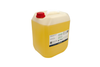
from Hamilton Company
All calibration procedures assume that the labeled values of the calibration buffers are correct. But buffer values can change over time and so can your results. A complete range of patented buffer solutions provides pH stability up to 5 years, something never achieved before. The pH buffers 9.21... [See More]
- Type: Other; Buffer
- Chemical Formula: Na2CO3, CHNaO3
- Chemical Name: Sodium Carbonate, Sodium Hydrogen Carbonate
- CAS Number: 497-19-8, 144-55-8
from Hamilton Company
All calibration procedures assume that the labeled values of the calibration buffers are correct. But buffer values can change over time and so can your results. A complete range of patented buffer solutions provides pH stability up to 5 years, something never achieved before. The pH buffers 9.21... [See More]
- Type: Other; Buffer
- Chemical Formula: Na2CO3, CHNaO3
- Chemical Name: Sodium Carbonate, Sodium Hydrogen Carbonate
- CAS Number: 497-19-8, 144-55-8
from Hamilton Company
All calibration procedures assume that the labeled values of the calibration buffers are correct. But buffer values can change over time and so can your results. A complete range of patented buffer solutions provides pH stability up to 5 years, something never achieved before. The pH buffers 9.21... [See More]
- Type: Other; Buffer
- Chemical Formula: Na2CO3, CHNaO3
- Chemical Name: Sodium Carbonate, Sodium Hydrogen Carbonate
- CAS Number: 497-19-8, 144-55-8
from Hamilton Company
All calibration procedures assume that the labeled values of the calibration buffers are correct. But buffer values can change over time and so can your results. A complete range of patented buffer solutions provides pH stability up to 5 years, something never achieved before. The pH buffers 9.21... [See More]
- Type: Other; Buffer
- Chemical Formula: Na2CO3, CHNaO3
- Chemical Name: Sodium Carbonate, Sodium Hydrogen Carbonate
- CAS Number: 497-19-8, 144-55-8

from Chemical Strategies, Inc.
Chemical Strategies offers over 3,000 products by Chempax. If you are unable to locate a chemical you need, our sales department can custom source any needed materials for you directly. [See More]
from Old Bridge Chemicals, Inc.
TYPICAL ANALYSIS. Copper (Cu). 55.0 – 57.0%. Iron (Fe). 0.2% maximum. Chlorides (Cl). 500 ppm maximum. Sulfates (S04). 0.04% maximum. Lead (Pb). 70 ppm maximum. Cadmium (Cd). 70 ppm maximum. MEA Insolubles. 0.5% maximum. Notes: ppm – parts per million. Manufactured in the United States... [See More]
- Type: Solid State
- Chemical Formula: CuCO3 x Cu(OH)2
- Chemical Name: Copper Carbonate
- CAS Number: 12069-69-1

from GFS Chemicals, Inc.
ITEM#:5013. BaCO3. CAS#:513-77-9. F.W.:197.34. NFPA#:2-0-0. Specific Gravity: 0.000. DOT:NR. Descriptions: Specification. TEST. 1. Assay (metals basis) 99.999% min. Properties. No properties. [See More]
- Chemical Formula: BaCO3
- State of Matter: Powders
- CAS Number: 513-77-9

from Chemical Strategies, Inc.
Chemical Strategies offers over 3,000 products by JT Baker. If you are unable to locate a chemical you need, our sales department can custom source any needed materials for you directly. [See More]
- State of Matter: Powders