
Refrigeration / Gas Drying Gas Compressors and Gas Compressor Systems
Last Updated: April 1, 2025
Description
Refrigeration and gas drying gas compressors and gas compressor systems are mechanical devices designed to increase the pressure of gases such as air, ammonia, and other gas mixtures. These systems are integral to processes that require the compression of gases to facilitate various industrial operations, including refrigeration and gas drying.
Working Principle
Gas compressors operate by mechanically reducing the volume of gas, thereby increasing its pressure. In refrigeration compressors, low-pressure gas is taken in and compressed mechanically, resulting in a high-temperature, high-pressure gas. This process is essential in the refrigeration cycle, which involves transferring heat from lower temperature regions to higher temperature regions. The compression of gas is achieved through different mechanisms, such as reciprocating pistons, rotary lobes, and rotary screws, each providing unique benefits in terms of efficiency and pressure output.
Applications
Refrigeration and gas drying compressors are used in a variety of specific applications. For instance, they are employed in gas plant glycol dehydration and gas chiller systems, which are crucial for industrial refrigeration processes. Additionally, these compressors are used in vessel and cylinder filling systems, where they fill containers with high-pressure gas. They also play a role in air conditioning systems, where centrifugal compressors are commonly used for chilling water.
Advantages over other Gas Compressors and Gas Compressor Systems
Refrigeration compressors, particularly rotary compressors, offer several advantages over other types. They are highly efficient due to the simultaneous intake and compression of refrigerant, have few moving parts, and operate at low rotational speeds. This results in lower initial and maintenance costs and makes them suitable for environments with contaminants. Additionally, hermetically sealed compressors are advantageous in preventing refrigerant leaks, ensuring long-term reliability in domestic and small-scale applications.
Limitations
Despite their advantages, refrigeration compressors have limitations. Rotary compressors, for example, are limited to handling smaller volumes of gas and produce less pressure compared to other compressor types. Open-type compressors, which rely on lubricant splash for sealing, can leak operating gases if not used frequently, posing a challenge in maintaining system integrity.
Considerations
When selecting refrigeration and gas drying compressors, several considerations should be taken into account. Initial costs can vary depending on the type and size of the compressor, with rotary compressors generally offering lower costs. Operating expenses are influenced by the efficiency and maintenance requirements of the system. Durability is a key factor, with hermetically sealed units providing long-term reliability. Accuracy in maintaining pressure and temperature levels is crucial for optimal performance. Replacement and maintenance costs should also be considered, as they can impact the overall cost-effectiveness of the compressor system.

from Aerzen USA Corp.
Component of your process efficiency: AERZEN process gas compressors. AERZEN process gas compressors are installed as single or multiple stage units in chemical, petrochemical, raw material and energy producing plants and in many other production centers of the processing industry all over the... [See More]
- Applications: Oil Refining / Chemical Processing; Process Gas Feeding / Injection; Refrigeration / Gas Drying; Iron and Steel Works, Raw Material and Energy Producing Plants
- Discharge / Operating Pressure: -13.05 to 754
- Compressor Technology: Rotary Screw
- Mass Flow Capacity: 324 to 70632

from Bristol Compressors International, Inc.
Bristol Compressors International, LLC is committed to delivering product excellence in quality and reliability; our people are dedicated to providing world-class customer service, value, delivery and technical support to our global HVACR customers. Our product versatility allows customers to select... [See More]
- Applications: Refrigeration / Gas Drying
- Gases Handled: Refrigerant
- Power Source: AC Single Phase; AC Three Phase

from Tecumseh Products Company
Discover the advantages of Tecumseh's broad range of energy efficient and reliable reciprocating compressors for household refrigerators and freezers, air-conditioning and commercial refrigeration applications including foodservice to walk-in coolers. What is a Reciprocating... [See More]
- Applications: Refrigeration / Gas Drying
- Inlet Temperature: 40 to 95
- Compressor Technology: Reciprocating Piston
- Horse Power: 0.0 to 29.08
from Howden
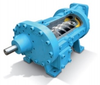
Howden M-series oil-injected screw compressors. A new industrial-standard quality built screw compressor, complete with a suite of specification options, to meet the design and build needs of compressor packagers and reduce the operating costs of end users. M127 industrial-standard screw compressor... [See More]
- Applications: Fuel Gas / Power Generation; Refrigeration / Gas Drying
- Discharge / Operating Pressure: 319
- Compressor Technology: Rotary Screw
- Mass Flow Capacity: 364
from Johnson Controls / FRICK / YORK PROCESS SYSTEMS
At Johnson Controls, we engineer reliable gas compressors for custom packagers and system integrators to use in their critical processing applications. The Frick ® SGC, SGCH & SGCB bare screw compressors are designed to compress a variety of gases for quality solutions in refrigeration,... [See More]
- Applications: Oil / Vapor Recovery ; Refrigeration / Gas Drying; Water Chilling, Wellhead Compression, Gas Gathering
- Mass Flow Capacity: 71 to 5067
- Compressor Technology: Bare Screw