
Steatite Industrial Ceramic Materials
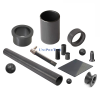
from Xiamen Unipretec Ceramic Technology Co., Ltd.
Ceramic components are manufactured of ceramic materials, which are an extensive family of inorganic, non-metallic compounds typically consisting of metal, non-metal, and metalloid elements. The exceptional properties exhibited by ceramics, such as their high hardness, low electrical conductivity,... [See More]
- Material Type: Alumina; Silicon Carbide; Tungsten Carbide; Cordierite; Glass Ceramics; Porcelain; Steatite; Aluminum Nitride; Silicon Nitride; Zirconia; SpecialtyMaterial
- Performance Features: Hard
- Applications: Abrasion Resistant; Armor / Ballistic Protection; Biomaterial; Corrosion resistant; Electronics or semiconductors; HV / Electrical; Thermal Insulation or Fire Proofing Material; Wear resistant parts or tooling; Battery / Fuel Cell; Refractory or High Temperature Insulation
- Bond & Processing: Sintered / Fired
from Superior Technical Ceramics Corp.
Sharp edges at the ends may be broken to prevent chipping. Thread may be countersunk a maximum of 1/16" deep to prevent chipping. .006"/ inch max camber allowance. Threads must accept a Class 1 metal screw to the above minimum thread depth. Threads will be perpendicular within 2 degrees of ends or... [See More]
- Material Type: Silicate / Clay; Steatite
- Length: 0.3750
- Shape / Form: Rod; Ferrule / Eyelet
- Width / Diameter: 0.3750

from CoorsTek
Steatite is used in electronic components and manufacturing processes. Its low dielectric loss combined with a high dielectric strength make it an excellent inexpensive component for electronics and manufacturing processes. Example Applications. Traditional electrical insulators. Fuses [See More]
- Material Type: Silicate / Clay; Steatite; SpecialtyMaterial
- Max Use Temperature: 1200
- Composition: Mg Silicate
- Thermal Conductivity: 2.5 to 3