
Burners Information
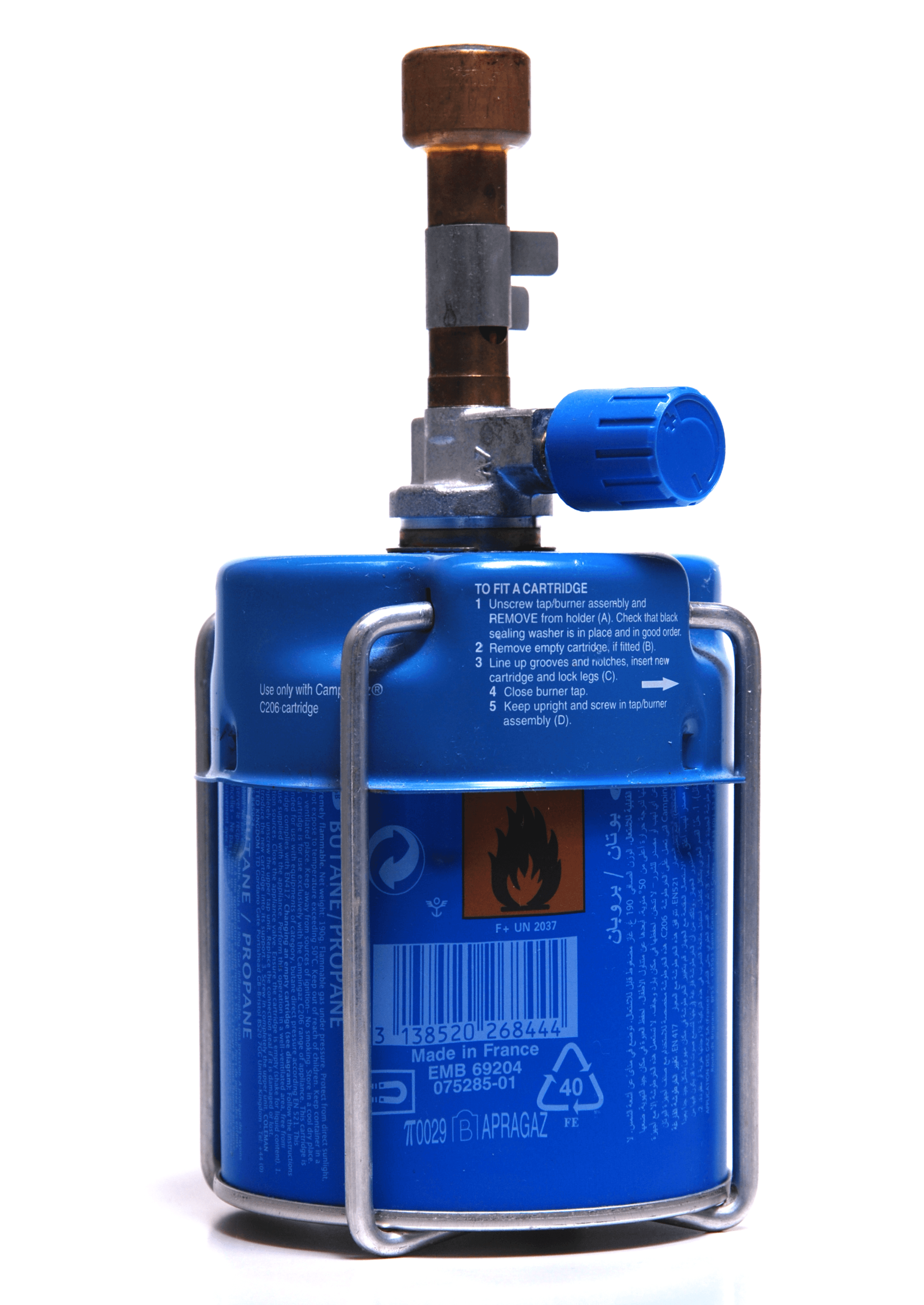 Burners are heating devices that use air supplied specifically for the combustion of a fuel gas. They consist of a head that distributes and directs the flame, a body where gases are passed to the head, and a valve assembly where the proportions of the gas/air mix and volume are controlled.
Types of Burners
There are many different types of burners. Atmospheric burners are gas-only devices that often use high-pressure, liquefied petroleum gas (LP) instead of reticulated natural gas. Nozzle mixing burners also use gas, but do not mix the gas and air until they are discharged from the burner port. Surface mix burners are similar to nozzle mixing burners, but mix the gases at the time of ignition and produce a safer, quieter, and more efficient flame. Premix burners use a machined mixing-set and forced air from a blower or compressor. Open premix burners use a steel or cast iron retention-tip. Sealed premix burners use a return intake (RI) castable tunnel or a multi-port (MP) tip mounted into the furnace wall. Radiant or infrared (IR) burners provide heat from a hot, glowing surface that radiates IR energy. Ribbon burners are elongated devices that are used to curve and shape glass-tubing. Vortex burners can completely incinerate not only fuel gas or oil, but also waste gas or waste oil without leaving any unburnt carbon.
Specifications
Burner specifications include:
- maximum capacity
- application temperature
- combustion fuel
- firing mechanism
- convection method
Maximum capacity is the greatest number of British thermal units (BTU) per hour that burners release while producing a stable flame and satisfactory combustion. Application temperature is range of burner operating temperatures. There are seven choices for combustion fuel: butane, coal, natural gas, light oil, heavy oil, propane, and waste fuel. Propane is a catchall term for pure propane, pure butane, mixtures of propane and butane, propylene, and butylene. Direct-firing burners directly transfer the heat generated in the burner’s combustion chamber. Indirect-firing burners transfer the heat from one medium to another that is contained separately. Forced-convection burners use a fan to supply combustion air to the burners of the heater, and to overcome the pressure drop of the burners and any pre-heat equipment. Natural-draft burners use a draft to move combustion air into the heater and flue gas out of the heater and out of the stack.
Features
Fuel-oil atomizer type is the most important feature to consider when selecting burners. There are five main types of atomizers:
- external mix steam
- internal mix steam
- low pressure air
- pressure jet
- rotary cup
External-mix steam atomizers, or steam-assisted pressure-jet atomizers, are designed to use pressure-jet atomization at high outputs and blast atomization at low outputs. Internal-mix steam atomizers have a burner lance that consists of two centric tubes, a one-piece nozzle, and a sealing nut. Steam is supplied through the center tube and fuel oil through the outer tube. Rotary-cup atomizers are driven at high speeds (about 500 rpm) by an electric motor and heavy-duty belt drive. Low-pressure air atomizers are similar to rotary-cup atomizers, but use the primary airflow to force the fuel to rotate. Pressure-jet atomizers use supply-pressure energy to atomize fuel into a spray of finely-dispersed droplets. If adequate fuel pressure is supplied, extremely good combustion results can be achieved. For specialized applications, recuperation burners, regenerative burners, and low-NOx burners are also available. The term NOx includes both nitric oxide (NO) and nitrogen dioxide (NO2). Some burners use thermoelectric safety mechanisms. Others have an electronic quick-lockout.
Related Information
CR4 Community—Magnetic Resonators and Oil-Fired Burners
CR4 Community—LP Gas Burner Capacity
CR4 Community—Propane Burner Designs
Image credit:
Lilly_M / CC BY-SA 3.0
- sundstrand oil burner pump
- gas burner
- propane tank strap
- premix gas burner
- atmospheric venturi oil burner
- atomization propane burner
- AUER BURNER
- gas kiln burner
- light oil burners
- metal fiber premix burner
- pgt25 gas turbine
- venturi stack
- steam turbine quick closing valve
- air curtain burners
- bix ceramic gas burners
- catalytic infrared burners
- ceramic infrared gas burners
- ceramic tile infrared burners
- clave waste vegetable oil burners
- coal water slurry burners
- conifer sawdust burners
- diesel brush burners
- direct fired gas burners
- etna lab burners
- gas steam table burners
- high BTU propane burners
- industrial propane burners
- industrial ribbon burners
- mechanical atomizing oil burners
- natural draft gas burners