
Wye (Y) - Wye (Y) Power Transformers
Last Updated: April 1, 2025
Description
Wye (Y) - Wye (Y) Power Transformers are a type of three-phase transformer where both the primary and secondary windings are connected in a wye (Y) configuration. This setup allows for the transformation of voltage levels in three-phase power systems, facilitating the efficient transmission and distribution of electrical energy.
Working Principle
Wye (Y) - Wye (Y) Power Transformers operate based on the principles of electromagnetic induction. In this configuration, one end of each transformer coil is connected to form a common point, known as the neutral, while the other ends are connected to the power lines. This arrangement allows the transformer to step up or step down voltage levels while maintaining a constant frequency. The wye configuration is particularly useful because it can provide a neutral point, which is beneficial for balancing loads and ensuring stability in the power system.
Applications
Wye (Y) - Wye (Y) Power Transformers are commonly used in electrical grids for long-distance power transmission. They are often found in substations where they help in stepping up the voltage for transmission over long distances and stepping it down for distribution to end-users. Specific applications include their use in industrial plants and commercial buildings where balanced three-phase power is required.
Advantages over other Power Transformers
One of the main advantages of the Wye (Y) - Wye (Y) configuration is its ability to provide a neutral point, which facilitates the balancing of loads across the phases. This can lead to improved stability and efficiency in power distribution systems. Additionally, the wye configuration allows for the use of lower insulation levels compared to delta configurations, potentially reducing costs.
Limitations
A significant limitation of the Wye (Y) - Wye (Y) configuration is that if any phase fails, the entire three-phase power can be lost. This makes the system less robust compared to other configurations like delta, which can continue to operate even if one phase is lost.
Considerations
When considering Wye (Y) - Wye (Y) Power Transformers, it is important to evaluate the initial costs, which can be influenced by the need for additional insulation and protection due to the presence of a neutral point. Operating expenses may be lower due to the efficiency of the wye configuration, but maintenance costs can be higher if phase failures occur. Durability and accuracy are generally high, but regular maintenance is crucial to ensure reliability and prevent phase imbalances. Replacement costs can also be significant if the transformer is not properly maintained.
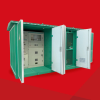
from Shenzhen Xingkerong Technology Co., Ltd
Home // All Collections // Transformer // 11KV 15KV Outdoor Prefabrical Substation Transformers High Voltage Compact Electrical Box Type Substation [See More]
- Three Phase Configuration: Delta/Delta; Delta/Wye; Wye/Wye; Wye/Delta
- Cooling Method: Air (optional feature); Oil (optional feature); Air conditioning cooling
- Transformer Type: Distribution Transformer; Isolation; Power Transformer; Substation Transformer; Three Phase Transformers
- Mounting: Floor mounted
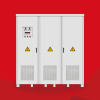
from Shenzhen Xingkerong Technology Co., Ltd
Home // All Collections // Transformer // 1000KVA to 3000KVA transformer [See More]
- Three Phase Configuration: Delta/Delta; Delta/Wye; Wye/Wye
- Cooling Method: Air; Fan cooling Natural cooling
- Transformer Type: Distribution Transformer; Isolation; Power Transformer; Three Phase Transformers
- Mounting: Floor mounted
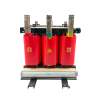
from Shenzhen Xingkerong Technology Co., Ltd
Home // All Collections // Transformer // ANSI/UL/Transformer//1500KVA 1600KVA SCB Dry Transformer [See More]
- Three Phase Configuration: Delta/Delta; Delta/Wye; Wye/Wye; Wye/Delta
- Cooling Method: Air; Fan cooling Natural cooling
- Transformer Type: Distribution Transformer; High Voltage Transformer; Isolation; Neutral Grounding Transformer; Power Transformer; Three Phase Transformers
- Mounting: base mounted
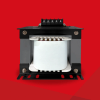
from Shenzhen Xingkerong Technology Co., Ltd
Home // All Collections // Transformer // 1KVA 2KVA 3KVA 4KVA 5KVA Transformer Without box [See More]
- Three Phase Configuration: Delta/Wye; Wye/Wye; Wye/Single
- Cooling Method: Air; Fan cooling Natural cooling
- Transformer Type: Autotransformer; Distribution Transformer; Isolation (optional feature); Power Transformer; Single Phase Transformer; Three Phase Transformers (optional feature)
- Mounting: Chassis; Floor mounted
from Shenzhen Xingkerong Technology Co., Ltd
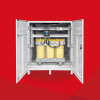
Home // All Collections // Transformer // 250KVA Step up Down Transformer Price 250 Kva for CNC Factory for Office Building for Shopping Mall [See More]
- Three Phase Configuration: Delta/Wye; Wye/Wye
- Cooling Method: Air; Fan cooling Natural cooling
- Transformer Type: Distribution Transformer; Isolation; Medical Transformer; Power Transformer; Rectifier Transformer; Three Phase Transformers
- Mounting: Floor mounted
from Shenzhen Xingkerong Technology Co., Ltd
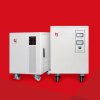
Home // All Collections // Transformer // 3 Phase 3kva 5kva 7kva 10kva 15kva 30kva Step Down up Isolation Transformer [See More]
- Three Phase Configuration: Delta/Delta; Delta/Wye; Wye/Wye
- Cooling Method: Fan cooling Natural cooling
- Transformer Type: Distribution Transformer; Isolation; Power Transformer; Three Phase Transformers
- Mounting: Floor mounted
from Shenzhen Xingkerong Technology Co., Ltd
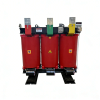
Home // All Collections // Transformer // ANSI/UL/Transformer//3500KVA 3000 KVA Cast Resin Dry Type Transformer SCB13 SCB14 SCB15 [See More]
- Three Phase Configuration: Delta/Delta; Delta/Wye; Wye/Wye; Wye/Delta
- Cooling Method: Air; Fan cooling Natural cooling
- Transformer Type: Distribution Transformer; High Voltage Transformer; Isolation; Neutral Grounding Transformer; Power Transformer; Three Phase Transformers
- Mounting: base mounted
from Shenzhen Xingkerong Technology Co., Ltd
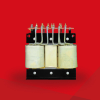
Home // All Collections // Transformer // 380V 480V 420V 440V Manufacturer Direct Hot Selling Three Phase Dry Type Voltage Transformer [See More]
- Three Phase Configuration: Delta/Delta; Delta/Wye; Wye/Wye
- Cooling Method: Air; Natural cooling
- Transformer Type: Distribution Transformer; Isolation; Power Transformer; Single Phase Transformer; Three Phase Transformers
- Mounting: Floor mounted
from Shenzhen Xingkerong Technology Co., Ltd
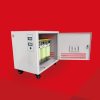
Home // All Collections // Transformer // 3KVA 5KVA 7KVA 10KVA Isolation Three Phase Power Transformer 15KVA 20KVA 30KVA 40KVA 50KVA 60KVA [See More]
- Three Phase Configuration: Delta/Wye; Wye/Wye
- Cooling Method: Air; Fan cooling Natural cooling
- Transformer Type: Autotransformer; Distribution Transformer; Isolation (optional feature); Power Transformer; Single Phase Transformer; Three Phase Transformers (optional feature)
- Mounting: Chassis; Floor mounted
from Shenzhen Xingkerong Technology Co., Ltd
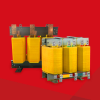
Home // All Collections // Transformer // 500KVA 630KVA 3 Phase MV &HV transformers Dry Power Step Down Transformer 380V 415V 400V 440V to 380V 415V 400V 250KVA 600KVA 800KVA 1000KVA [See More]
- Three Phase Configuration: Delta/Delta; Delta/Wye; Wye/Wye; Wye/Single
- Cooling Method: Air; Fan cooling Natural cooling
- Transformer Type: Distribution Transformer; Isolation; Medical Transformer; Power Transformer; Three Phase Transformers
- Mounting: Floor mounted
from Shenzhen Xingkerong Technology Co., Ltd
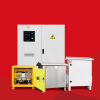
Home // All Collections // Transformer // 500KVA 800KVA 750 KVA 630KVA 400KVA Dry Transformer 400KW Step up Down Transformer 380V 400V 415V 440V to 380V 400V 440V 415V [See More]
- Three Phase Configuration: Delta/Delta; Delta/Wye; Wye/Wye; Wye/Single
- Cooling Method: Air; Fan cooling Natural cooling
- Transformer Type: Distribution Transformer; Isolation; Medical Transformer; Power Transformer; Solar Power Transformer; Three Phase Transformers
- Mounting: Floor mounted
from Shenzhen Xingkerong Technology Co., Ltd
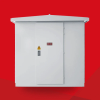
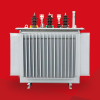
Home // All Collections // Transformer // 50HZ 60HZ Box-type Prefabricated Substation Transformer Converting Station [See More]
- Three Phase Configuration: Delta/Wye; Wye/Wye
- Cooling Method: Air (optional feature); Oil (optional feature); Air conditioning cooling
- Transformer Type: Distribution Transformer; Isolation; Power Transformer; Three Phase Transformers
- Mounting: Floor mounted
from Shenzhen Xingkerong Technology Co., Ltd
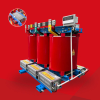
Home // All Collections // Transformer // 50KVA 100KVA 150KVA 200KVA 250KVA 300KVA 400KVA 450KVA 500KVA 20KV Oil Immersed Electrical Power Distribution Transformer [See More]
- Three Phase Configuration: Delta/Delta; Delta/Wye; Wye/Wye; Wye/Delta
- Cooling Method: Oil; ONAF
- Transformer Type: Distribution Transformer; Isolation; Power Transformer; Three Phase Transformers
- Mounting: Floor mounted
from Shenzhen Xingkerong Technology Co., Ltd
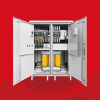
Home // All Collections // Transformer // Factory Price Resin Cast Dry Type Transformer 50KVA 100KVA 200KVA 315KV 400KVA 500KVA 600KVA Upto 2.5MVA 6.0KV 6.6KV 11KV [See More]
- Three Phase Configuration: Delta/Wye; Wye/Wye; Wye/Single
- Cooling Method: Air; Fan cooling Natural cooling
- Transformer Type: Autotransformer; Distribution Transformer; Isolation; Power Transformer; Three Phase Transformers
- Mounting: Floor mounted
from Shenzhen Xingkerong Technology Co., Ltd
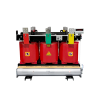
Home // All Collections // Transformer // 700KVA 900KVA 1000KVA Outdoor Photovoltaic Transformer IP54 800kva Solar PV Transformer [See More]
- Three Phase Configuration: Delta/Delta; Delta/Wye; Wye/Wye
- Cooling Method: Fan cooling Natural cooling
- Transformer Type: Distribution Transformer; Isolation; Power Transformer; Solar Power Transformer; Three Phase Transformers
- Mounting: Floor mounted
from Shenzhen Xingkerong Technology Co., Ltd
Home // All Collections // Transformer // ANSI/UL/Transformer//600KVA 800KVA SCB Dry Transformer [See More]
- Three Phase Configuration: Delta/Delta; Delta/Wye; Wye/Wye; Wye/Delta
- Cooling Method: Air; Fan cooling Natural cooling
- Transformer Type: Distribution Transformer; High Voltage Transformer; Isolation; Neutral Grounding Transformer; Power Transformer; Three Phase Transformers
- Mounting: base mounted
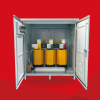
from Shenzhen Xingkerong Technology Co., Ltd
Home // All Collections // Transformer // 800v 400v transformer [See More]
- Three Phase Configuration: Delta/Delta; Delta/Wye; Wye/Wye
- Cooling Method: Air; Fan cooling Natural cooling
- Transformer Type: Distribution Transformer; Isolation; Power Transformer; Solar Power Transformer; Three Phase Transformers
- Mounting: Floor mounted
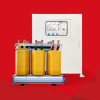
from Shenzhen Xingkerong Technology Co., Ltd
Home // All Collections // Transformer // 98% Efficiency 400KVA 500KVA Power Transformer Outdoor Indoor 400 500 KVA 3 Phase Transformer Customizable [See More]
- Three Phase Configuration: Delta/Wye; Wye/Wye
- Cooling Method: Fan cooling Natural cooling
- Transformer Type: Autotransformer; Distribution Transformer; Isolation; Power Transformer; Single Phase Transformer; Solar Power Transformer; Three Phase Transformers (optional feature)
- Mounting: Movable
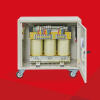
from Shenzhen Xingkerong Technology Co., Ltd
Home // All Collections // Transformer // 98% Efficiency Step up Down Voltage 220V to 380V 110V 440V Transformer 3 Phase Pure Sine Wave [See More]
- Three Phase Configuration: Delta/Wye; Wye/Wye; Wye/Single
- Cooling Method: Air; Fan cooling Natural cooling
- Transformer Type: Distribution Transformer; Isolation; Power Transformer; Single Phase Transformer; Three Phase Transformers
- Mounting: Floor mounted
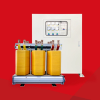
from Shenzhen Xingkerong Technology Co., Ltd
Home // All Collections // Transformer // Automatic 300KVA 400KVA 500KVA Transformer Price 300 400 500 KVA [See More]
- Three Phase Configuration: Delta/Wye; Wye/Wye
- Cooling Method: Air; Fan cooling Natural cooling
- Transformer Type: Autotransformer; Distribution Transformer; Isolation; Power Transformer; Three Phase Transformers
- Mounting: Floor mounted
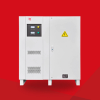
from Shenzhen Xingkerong Technology Co., Ltd
Home // All Collections // Transformer // Copper 200KVA 3 Phase Dry Type Transformer Price 3phase 200 KVA 200KW [See More]
- Three Phase Configuration: Delta/Wye; Wye/Wye
- Cooling Method: Air; Fan cooling Natural cooling
- Transformer Type: Distribution Transformer; Isolation; Power Transformer; Three Phase Transformers
- Mounting: Floor mounted
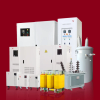
from Shenzhen Xingkerong Technology Co., Ltd
Home // All Collections // Transformer // Custom Transform Auto Transformers Electrical Power 380v to 220v [See More]
- Three Phase Configuration: Delta/Wye; Wye/Wye
- Cooling Method: Air; Fan cooling Natural cooling
- Transformer Type: Autotransformer; Distribution Transformer; Isolation; Power Transformer; Three Phase Transformers
- Mounting: Floor mounted
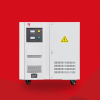
from Shenzhen Xingkerong Technology Co., Ltd
Home // All Collections // Transformer // Durable 100KVA 3 Phase Power Transformer Price 100 KVA 150KVA 80KVA 90KVA [See More]
- Three Phase Configuration: Delta/Wye; Wye/Wye
- Cooling Method: Air; Fan cooling Natural cooling
- Transformer Type: Distribution Transformer; Isolation; Power Transformer; Single Phase Transformer; Three Phase Transformers
- Mounting: Floor mounted
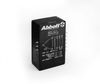
from Abbott Technologies, Inc.
400 Hz 3 Phase MIL-PRF-27F Power Transformers. Military Designation No. TF5S03ZZ (Sizes 1 through 6). Military Designation No. TF5S03YY (Sizes 7 through 10). Designed to meet the light weight and high temperature requirements of airborne, shipboard, and military electronics. DELTA or WYE selectable... [See More]
- Three Phase Configuration: Delta/Delta; Wye/Wye
- Mounting: Insert Mounting
- Transformer Type: Three Phase Transformers
- Primary Frequency: 400
from Abbott Technologies, Inc.
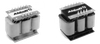
60 Hz 3 Phase Power Transformers. Military Designation No. TF5S03ZZ. Industrial style also standard. Compact sizes. Outputs-DELTA or WYE selectable. 5 different inputs available. Ideal for naval electronics, ground support equipment, industrial controls and telecommunications [See More]
- Three Phase Configuration: Delta/Delta; Wye/Wye
- Mounting: Chassis
- Transformer Type: Three Phase Transformers
- Primary Frequency: 50 Hz; 60 Hz; 50-65 Hz