
All Acyl Halides Organic Chemicals
Description
Acyl halides are a class of organic chemicals characterized by the presence of a carbonyl group (C=O) bonded to a halogen atom. These compounds are known for their reactivity, which makes them valuable intermediates in organic synthesis. They are typically used to introduce acyl groups into other molecules, facilitating the formation of various derivatives.
Working Principle
Acyl halides function by reacting with nucleophiles, which are species that donate an electron pair to form a chemical bond. The carbonyl carbon in acyl halides is electrophilic, meaning it is electron-deficient and thus attracts nucleophiles. This reactivity is due to the strong electronegativity of the halogen atom, which pulls electron density away from the carbonyl carbon, making it more susceptible to nucleophilic attack. This property makes acyl halides useful in synthesizing a wide range of organic compounds, as they can easily form bonds with various nucleophiles.
Applications
Acyl halides are extensively used in the synthesis of esters, amides, and anhydrides. For example, they are employed in the production of pharmaceuticals where specific acyl groups need to be introduced into a molecule. In polymer chemistry, acyl halides are used to modify polymer chains, enhancing material properties such as strength and flexibility. They are also used in the manufacture of agrochemicals and dyes, where precise chemical modifications are necessary to achieve desired properties.
Advantages over other Organic Chemicals
One of the primary advantages of acyl halides over other organic chemicals is their high reactivity, which allows for rapid and efficient chemical transformations. This reactivity can lead to higher yields and fewer by-products in synthetic processes. Additionally, the ability to easily introduce acyl groups makes them versatile intermediates in the synthesis of complex molecules, which is particularly beneficial in pharmaceutical and fine chemical industries.
Limitations
Acyl halides are highly reactive and can be corrosive, posing handling and storage challenges. They can react violently with water, releasing hydrogen halides, which are corrosive and toxic. This necessitates the use of specialized equipment and safety protocols to prevent accidents and ensure safe handling. Furthermore, their reactivity can sometimes lead to unwanted side reactions, complicating purification processes.
Considerations
When considering the use of acyl halides, it is important to account for the initial costs associated with their production and the specialized equipment required for their safe handling. Operating expenses may be higher due to the need for stringent safety measures and potential environmental controls to manage hazardous by-products. Durability and stability can be concerns, as acyl halides may degrade over time if not stored properly. Replacement and maintenance costs can also be significant, particularly in industrial settings where large quantities are used.

from Chemical Strategies, Inc.
Chemical Strategies offers over 3,000 products by Chempax. If you are unable to locate a chemical you need, our sales department can custom source any needed materials for you directly. [See More]
- Chemical Family: All Acyl Halides; Methyl Chloride
- Chemical Name: METHYLENE CHLORIDE # 9264-03
from Wintersun Chemical
Acetyl Bromide [See More]
- Chemical Family: All Acyl Halides; Acetyl Bromide
- Chemical Formula: CH3COBr
- Chemical Name: Acetyl Bromide
- CAS Number: 506-96-7
from Medical Isotopes, Inc.
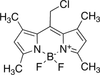
Bodipy 8-Chloromethane [See More]
- Chemical Family: All Alkanes; All Acyl Halides; Methane; Methyl Chloride
- CAS Number: 208462-25-3
- Chemical Formula: C 14 H 16 BClF 2 N 2

from Chemical Strategies, Inc.
Chemical Strategies offers over 3,000 products by JT Baker. If you are unable to locate a chemical you need, our sales department can custom source any needed materials for you directly. [See More]
- Chemical Family: All Acyl Halides; Methyl Chloride
- Chemical Name: Methylene Chloride
from Medical Isotopes, Inc.
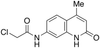
Carbostyril 124 N-Carboxymethyl Chloride [See More]
- Chemical Family: All Acyl Halides; Methyl Chloride
- CAS Number: 183613-11-8
- Chemical Formula: C 12 H 11 ClN 2 O 2