
H Motor Starters and Contactors
Description
H Motor Starters and Contactors are devices used to control the operation of electric motors. They serve as a switch to start and stop the motor, ensuring that the motor receives the appropriate amount of power to operate efficiently and safely.
Working Principle
Motor starters and contactors work by controlling the electrical power supplied to the motor. They typically consist of an overload protection circuit and a motor contactor. The contactor acts as a switch that opens and closes the circuit, allowing or interrupting the flow of electricity to the motor. This mechanism prevents the motor from drawing excessive current during startup, which can cause damage. Additionally, they provide protection against low-voltage and power interruptions, ensuring the motor operates within safe parameters .
Applications
H Motor Starters and Contactors are used in various industrial and commercial applications. They are essential in systems where motors are used to drive machinery, such as conveyor belts, pumps, and fans. Specific examples include their use in manufacturing plants to control assembly line motors and in HVAC systems to manage the operation of large fans and compressors.
Advantages over other Motor Starters and Contactors
One advantage of using H Motor Starters and Contactors is their ability to provide reliable overload protection, which helps in extending the lifespan of the motor by preventing damage due to excessive current draw. They also offer protection against low-voltage conditions and power interruptions, which can be critical in maintaining the operational integrity of motor-driven systems .
Limitations
A limitation of H Motor Starters and Contactors is that they may not be suitable for applications requiring variable speed control, as they are typically designed for full voltage, non-reversing operations. Additionally, they may not be the best choice for applications where space is a constraint, as some models can be bulky .
Considerations
When selecting H Motor Starters and Contactors, it is important to consider the initial costs, which can vary depending on the complexity and specifications of the device. Operating expenses should also be evaluated, as these devices can impact energy consumption. Durability is another key factor, as more robust models may offer longer service life and reduced maintenance costs. Accuracy in terms of protection and control is crucial to ensure the motor operates within safe limits. Finally, consider the replacement and maintenance costs, as these can add to the total cost of ownership over time.
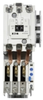
from Eaton Corporation
NON REVERSING TYPE. IEC H SIZE. 44 AMPERE (UL), 60 AMPERE (IEC THERMAL CURRENT) CURRENT RATING. OPEN ENCLOSURE TYPE. IEC CONSTRUCTION STANDARD. 110 VAC AT 50 HZ, 120 VAC AT 60 HZ COIL VOLTAGE. 11 KW AT 220 V 3 PHASE, 22 KW AT 380/415/440 V 3 PHASE, 30 KW AT 500/550 V 3 PHASE, 15 KW AT 660 V 3 PHASE,... [See More]
- IEC Size: H
- Continuous Current: 44 to 60
- AC Motor Phase: Single; Three
- Motor Voltage: 110 to 120

from Schneider Electric
Combination Starters & Pump Panels. Supplied with circuit breakers with current ratings up to 40A. Supplied with Class CC or Class J fuses with current ratings up to 40A. Up to 32 amps or 20 horsepower. NEMA size 0-6 with fusible or non-fusible disconnect switch. NEMA sizes 0-7 with... [See More]
- IEC Size: H
- NEMA Size: 0; 1; 2; 3; 4; 5; 6; 7
- Standard Rating: NEMA; IEC
- Continuous Current: 20 to 50
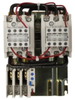
from Eaton Corporation
FULL VOLTAGE, REVERSING TYPE. IEC H SIZE. 44 AMPERE (UL), 60 AMPERE (IEC THERMAL CURRENT) CURRENT RATING. OPEN ENCLOSURE TYPE. IEC CONSTRUCTION STANDARD. 110 V AT 50 HZ, 120 V AT 60 HZ COIL VOLTAGE. 11 KW AT 220 V 3 PHASE, 15 KW AT 660 V 3 PHASE, 22 KW AT 380/415/440 V 3 PHASE, 30 KW AT 500/550 V 3... [See More]
- IEC Size: H
- Continuous Current: 44 to 60
- AC Motor Phase: Single; Three
- Motor Voltage: 110 to 120