
L Motor Starters and Contactors
Description
L Motor Starters and Contactors are devices used to control the operation of electric motors. They are designed to safely start, stop, and protect motors from overload conditions by managing the electrical current flow to the motor.
Working Principle
Motor starters and contactors work by using an electromechanical switch to control the power supply to the motor. When the starter is activated, it closes the circuit, allowing current to flow to the motor. This process is facilitated by contactors, which are designed to handle high operating currents and suppress arcing caused by the interruption of heavy motor currents. The inclusion of overload protection circuits ensures that during motor startup, extra current is not drawn, thereby protecting the motor from damage. This makes them useful for ensuring the longevity and reliability of motor operations by preventing electrical overload and phase failures .
Applications
Motor starters and contactors are used in a variety of applications where electric motors are employed. Specific examples include industrial machinery, HVAC systems, and conveyor systems. They are essential in environments where motors need to be frequently started and stopped, such as in manufacturing plants and processing facilities.
Advantages over other Motor Starters and Contactors
One of the advantages of using L Motor Starters and Contactors is their ability to provide reliable overload protection, which is crucial for preventing damage to motors and ensuring operational efficiency. They are also easy to operate and reset after tripping, making them user-friendly and reducing downtime in industrial settings .
Limitations
A limitation of motor starters and contactors is that they require proper matching with thermal relays to function effectively. If not correctly matched, the protection they offer can be compromised, potentially leading to motor damage .
Considerations
When considering the use of L Motor Starters and Contactors, it is important to evaluate initial costs, operating expenses, and maintenance requirements. While they offer durability and reliability, the initial setup and proper matching with other components can incur additional costs. Regular maintenance is necessary to ensure their continued effectiveness and to prevent unexpected failures. Additionally, their accuracy in protecting against overloads and phase failures is contingent on proper installation and configuration .
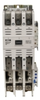
from Eaton Corporation
NON REVERSING TYPE. IEC L SIZE. 85 AMPERE (UL), 100 AMPERE (IEC THERMAL CURRENT) CURRENT RATING. OPEN ENCLOSURE TYPE. IEC CONSTRUCTION STANDARD. 110 V AT 50 HZ, 120 V AT 60 HZ COIL VOLTAGE. 1NO AUXILIARY CONTACT. 22 KW AT 220 V 3 PHASE, 37 KW AT 660 V 3 PHASE, 45 KW AT 380/415/440 V 3 PHASE, 55 KW... [See More]
- IEC Size: L
- Continuous Current: 85 to 100
- AC Motor Phase: Single; Three
- Motor Voltage: 110 to 120
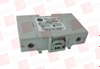
from Radwell International
IEC LOAD SWITCH, ADDITIONAL POLE, 40 AMP, FRONT / DOOR. FREE 2 YEAR RADWELL WARRANTY [See More]
- IEC Size: L
- Continuous Current: 40
- Standard Rating: IEC
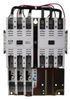
from Eaton Corporation
FULL VOLTAGE, REVERSING TYPE. IEC L SIZE. 85 AMPERE (UL), 100 AMPERE (IEC THERMAL CURRENT) CURRENT RATING. OPEN ENCLOSURE TYPE. IEC CONSTRUCTION STANDARD. 110 V AT 50 HZ, 120 V AT 60 HZ COIL VOLTAGE. 22 KW AT 220 V 3 PHASE, 37 KW AT 660 V 3 PHASE, 45 KW AT 380/415/440 V 3 PHASE, 55 KW AT 500/550 V 3... [See More]
- IEC Size: L
- Continuous Current: 85 to 100
- AC Motor Phase: Single; Three
- Motor Voltage: 110 to 120