
N Motor Starters and Contactors
Description
N Motor Starters and Contactors are devices used to control the operation of electric motors. They function as protection devices, ensuring that motors are safely started and stopped. These devices are integral in managing the electrical current flow to the motor, preventing overloads and ensuring efficient operation.
Working Principle
Motor starters and contactors operate by using an electromagnetic coil to open or close contacts that control the power supply to the motor. When the coil is energized, it creates a magnetic field that pulls the contacts together, allowing current to flow to the motor. This mechanism is crucial for preventing excessive current draw during motor startup, which can cause damage. The inclusion of overload protection circuits further ensures that the motor is safeguarded against low-voltage conditions and power interruptions, enhancing the reliability and longevity of the motor system.
Applications
Motor starters and contactors are used in a variety of applications. For instance, they are employed in industrial settings to control large machinery and equipment. Specific examples include their use in conveyor systems, pumps, and fans, where precise control over motor operation is essential for maintaining efficiency and safety.
Advantages over other Motor Starters and Contactors
One advantage of using N Motor Starters and Contactors is their ability to provide both mechanical and electrical interlocking, which enhances safety by preventing simultaneous operation of conflicting functions, such as reversing motor directions. Additionally, they offer a wide range of current selection, accommodating various motor sizes and applications, which makes them versatile and adaptable to different industrial needs.
Limitations
Despite their advantages, N Motor Starters and Contactors have limitations. They may require regular maintenance to ensure optimal performance, and their initial cost can be higher compared to simpler motor control solutions. Furthermore, they may not be suitable for applications requiring rapid switching or where space is a constraint due to their size and complexity.
Considerations
When selecting N Motor Starters and Contactors, it is important to consider factors such as initial costs, which can be significant due to the complexity and features of these devices. Operating expenses should also be evaluated, as regular maintenance may be necessary to ensure durability and accuracy. Additionally, the cost of replacement parts and the ease of maintenance should be factored into the decision-making process to ensure long-term cost-effectiveness and reliability.
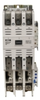
from Eaton Corporation
NON REVERSING TYPE. IEC N SIZE. 140 AMPERE (UL), 175 AMPERE (IEC THERMAL CURRENT) CURRENT RATING. OPEN ENCLOSURE TYPE. IEC CONSTRUCTION STANDARD. 550 V AT 50 HZ, 600 V AT 60 HZ COIL VOLTAGE. 1NO AUXILIARY CONTACT. 37 KW AT 220 V 3 PHASE, 45 KW AT 660 V 3 PHASE, 75 KW AT 380/415/440 V 3 PHASE, 90 KW... [See More]
- IEC Size: N
- Continuous Current: 140 to 175
- AC Motor Phase: Single; Three
- Motor Voltage: 550 to 600
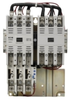
from Eaton Corporation
FULL VOLTAGE, REVERSING TYPE. IEC N SIZE. 140 AMPERE (UL), 175 AMPERE (IEC THERMAL CURRENT) CURRENT RATING. OPEN ENCLOSURE TYPE. IEC CONSTRUCTION STANDARD. 110 V AT 50 HZ, 120 V AT 60 HZ COIL VOLTAGE. 37 KW AT 220 V 3 PHASE, 45 KW AT 660 V 3 PHASE, 75 KW AT 380/415/440 V 3 PHASE, 90 KW AT 500/550 V... [See More]
- IEC Size: N
- Continuous Current: 140 to 175
- AC Motor Phase: Single; Three
- Motor Voltage: 110 to 120