
Channel Nonferrous Metals and Alloys
Description
Channel nonferrous metals and alloys are materials that do not incorporate iron as the base metal. These materials are typically used in various forms such as strips, sheets, and profiles. They are known for their high corrosion resistance, good mechanical properties, and excellent bearing properties. Common nonferrous metals include aluminum, copper, nickel, zinc, titanium, and precious metals.
Working Principle
Nonferrous metals and alloys work by leveraging their unique metallurgical properties, which include high thermal and electrical conductivity, resistance to corrosion, and the ability to be alloyed with other elements to enhance specific characteristics. These properties make them useful in applications where durability and performance are critical. The absence of iron in their composition means they do not rust, which is a significant advantage in environments where moisture and oxidation are concerns.
Applications
Nonferrous metals and alloys are used in a wide range of applications. For example, aluminum is extensively used in the aerospace industry for its lightweight and strong properties. Copper is commonly used in electrical wiring due to its excellent conductivity. Nickel alloys are used in high-temperature applications such as jet engines. Zinc is often used for galvanizing to protect steel from corrosion. Precious metals like gold and silver are used in electronics and jewelry.
Advantages over other Nonferrous Metals and Alloys
Nonferrous metals and alloys offer several advantages over ferrous metals, primarily due to their resistance to rust and corrosion. For instance, aluminum's lightweight nature makes it preferable in applications where weight reduction is crucial, such as in automotive and aerospace industries. Copper's superior electrical conductivity makes it the material of choice for electrical applications over other metals.
Limitations
One of the primary limitations of nonferrous metals and alloys is their cost. Metals like copper and aluminum can be expensive, which can limit their use in cost-sensitive applications. Additionally, some nonferrous metals may not have the same strength as ferrous metals, which can be a limitation in structural applications.
Considerations
When selecting nonferrous metals and alloys, several considerations must be taken into account. Initial costs can be high, especially for metals like copper and precious metals. Operating expenses may also be significant due to the need for specialized processing and fabrication techniques. Durability is generally high, but it varies depending on the specific metal or alloy. Replacement and maintenance costs can be minimized by selecting the appropriate alloy for the intended application, ensuring long-term performance and reliability.

from Princess Auto Limited
3/4 "H x 1 "W x 3/32 " Aluminum Channel [See More]
- Shape / Form: Channel; Profile or Structural Shape
- Length: 96
- Nonferrous: Aluminum
from Hoover Steel, Inc.
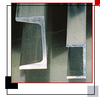
Aluminum Channel. 6063 – T52 Extruded Channel has square / sharp corners (inside and outside). 6061 – T6 American Standard Structural Channel has tapered flanges and radius corners (inside only). Inquire for other sizes and types. [See More]
- Shape / Form: Channel; Profile or Structural Shape
- Applications: BuildingConstruction
- Nonferrous: Aluminum

from Princess Auto Limited
3/4 "H x 1-1/2 "W x 1/8 " Aluminum Channel [See More]
- Shape / Form: Channel; Profile or Structural Shape
- Length: 96
- Nonferrous: Aluminum