
SAE Nonferrous Metals and Alloys
Description
SAE Nonferrous Metals and Alloys are materials that do not incorporate iron as the base metal. These metals include copper, aluminum, nickel, zinc, titanium, and precious metals, among others. They are characterized by their high reflectivity, good electrical and thermal conductivities, and considerable strength. These alloys are used to create materials that are opaque crystalline solids, which can flow before fracture, making them suitable for various engineering applications.
Working Principle
Nonferrous metals and alloys work by leveraging the unique properties of their constituent elements. For example, aluminum alloys are known for their lightweight and corrosion resistance, while copper alloys are prized for their excellent electrical conductivity. The absence of iron in these alloys means they are generally more resistant to rust and corrosion, making them useful in environments where these factors are a concern. The properties of these alloys can be tailored through the addition of specific alloying elements and heat-treatment processes, allowing for customization based on the required mechanical properties such as tensile strength and elongation.
Applications
Nonferrous metals and alloys find applications across a wide range of industries. For instance, aluminum and its alloys are extensively used in the aerospace industry due to their lightweight and strength. Copper alloys are commonly used in electrical applications because of their superior conductivity. Titanium alloys are employed in the medical field for implants due to their biocompatibility and strength. Precious metal alloys, such as those containing gold and silver, are used in electronics and jewelry.
Advantages over other Nonferrous Metals and Alloys
One of the primary advantages of nonferrous metals and alloys is their resistance to rust and corrosion, which is a significant limitation of ferrous metals. For example, aluminum alloys are preferred in marine applications over steel due to their corrosion resistance. Additionally, nonferrous alloys like titanium offer a high strength-to-weight ratio, making them ideal for aerospace applications where weight reduction is crucial.
Limitations
Despite their advantages, nonferrous metals and alloys have limitations. They are generally more expensive than ferrous metals, which can increase the initial cost of projects. Some nonferrous metals, like aluminum, have lower strength compared to steel, which may limit their use in applications requiring high load-bearing capacity. Additionally, certain nonferrous metals, such as copper, can be prone to theft due to their high value.
Considerations
When selecting nonferrous metals and alloys, several factors should be considered. Initial costs can be higher compared to ferrous metals, but the long-term benefits such as reduced maintenance and replacement costs due to corrosion resistance can offset this. Operating expenses may vary depending on the specific alloy and its application. Durability is generally high, but it is essential to consider the specific environmental conditions the material will be exposed to. Maintenance costs can be lower due to the reduced need for corrosion protection, but the cost of replacement parts can be higher due to the material's value.

from Belmont Metals, Inc.
Babbitt Metals. Featuring tin-base and lead-base babbitts to ASTM, SAE, government, Navy specifications; special and custom alloys. The use of bearing materials to reduce bearing friction can be traced at least back to the Roman chariot days. Soft metals such as Tin and Lead were unsuccessfully... [See More]
- Specifications: ASTM / ASME; SAE; ASTM B-23 Grade 2
- Shape / Form: Ingot or Billet; Wire
- Nonferrous: LowMelting; Tin
from National Bronze & Metals Inc.
C11000 Electrolytic Tough Pitch Copper CDA 110 ETP, ASTM B124, ASTM B152, ASTM B187, ASTM B188, ASTM B272. High electrical and thermal conductivity, good corrosion resistance and solderability. C11000 is used for welding fixtures, anodes, bus bar in electrical power installations, ground straps,... [See More]
- Specifications: AMS; ASTM / ASME; CDA; MIL-SPEC / QQS; SAE; UNS; ASTM B-127
- Specialty / Other Types: Pure, Unalloyed or Very Low Alloy Additions
- Nonferrous: Copper
- UNS Number: 11000
from Bunting Bearings, LLC
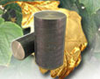
C86300 Manganese Bronze is a non-lead “GREEN ” Alloy. Manganese Bronze CDA 863. SAE 430B. ASTM B505. Manganese bronze is a very hard and strong bronze. Good applications include heavy earth moving equipment, roll neck bearings, and machine tool bearings. Solid and cored bars are stocked... [See More]
- Specifications: SAE
- Shape / Form: Semi-finished, Mill Stock or Near Net Shapes; Bar Stock; Round Bar or Rod Stock
- Nonferrous: Copper
- Width / OD: 1 to 8

from Concast Metal Products Co.
Aluminum bronze is the highest strength standard copper based alloy. Concast produces C95400, C95500 and C95900 in standard sizes of rounds, tubes and rectangles. Aluminum in conjunction with iron and nickel in C95500 acts as a strengthener in these alloys. All of the aluminum bronzes can be heat... [See More]
- Specifications: ICI, ASTM, or Other Casting Grade; ASTM / ASME; CDA; MIL-SPEC / QQS; SAE
- Specialty / Other Types: Alloy
- Nonferrous: Copper
- Grade: 95200
from Bunting Bearings, LLC
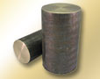
High-Leaded Tin Bronze. CDA 932. SAE 660. 83-7-7-3. ASTM B505. Bunting continuous cast bronze bars of C93200 give superior quality and performance. Continuous casting achieves a high density grain structure, free of porosity, resulting in a reduction of tool wear and component rejects. Solid and... [See More]
- Specifications: SAE
- Shape / Form: Semi-finished, Mill Stock or Near Net Shapes; Bar Stock; Round Bar or Rod Stock
- Nonferrous: Copper
- Width / OD: 0.3750 to 4

from Bunting Bearings, LLC
Powdered Metal Cored Bronze Bars. Many sizes available. [See More]
- Specifications: SAE
- Shape / Form: Semi-finished, Mill Stock or Near Net Shapes; Bar Stock; Hollow Stock (Tube, Pipe, Column); Round Bar or Rod Stock
- Nonferrous: Copper
- Width / OD: 1 to 8
from Bunting Bearings, LLC
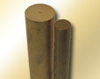
Powdered Metal Solid Bronze Bars. Many sizes available. [See More]
- Specifications: SAE
- Shape / Form: Semi-finished, Mill Stock or Near Net Shapes; Bar Stock; Round Bar or Rod Stock
- Nonferrous: Copper
- Width / OD: 0.2500 to 8
from Bunting Bearings, LLC
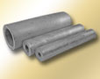
Powdered Metal Iron Copper Bar. Many sizes available. [See More]
- Specifications: SAE
- Shape / Form: Semi-finished, Mill Stock or Near Net Shapes; Bar Stock; Hollow Stock (Tube, Pipe, Column); Round Bar or Rod Stock
- Nonferrous: Copper
- Width / OD: 1 to 4.88
from Bunting Bearings, LLC
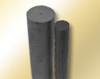
Powdered Metal SAE 863 Iron Copper Solid Bar. Many sizes available. [See More]
- Specifications: SAE
- Shape / Form: Semi-finished, Mill Stock or Near Net Shapes; Bar Stock; Round Bar or Rod Stock
- Nonferrous: Copper
- Width / OD: 0.3750 to 2.88

from Bunting Bearings, LLC
Powdered Metal Bronze Plate SAE 840/841. Many sizes available. [See More]
- Specifications: SAE
- Shape / Form: Semi-finished, Mill Stock or Near Net Shapes; Plate
- Nonferrous: Copper
- Thickness: 0.1250 to 1