
Hollow Stock Nonferrous Metals and Alloys
Description
Hollow stock nonferrous metals and alloys are materials characterized by their hollow, tubular shapes. These materials are typically composed of nonferrous metals such as aluminum, copper, and their respective alloys. The hollow structure allows these materials to be lightweight while maintaining strength and rigidity, making them suitable for various engineering and industrial applications.
Working Principle
The working principle of hollow stock nonferrous metals and alloys lies in their structural design, which optimizes the balance between weight and strength. The hollow nature of these materials reduces their overall mass, which is beneficial in applications where weight savings are crucial. The nonferrous composition provides excellent corrosion resistance, electrical conductivity, and thermal properties. These characteristics make hollow stock nonferrous metals and alloys useful in environments where these properties are essential.
Applications
Hollow stock nonferrous metals and alloys find applications in a variety of industries. In the aerospace sector, they are used in the construction of lightweight yet strong components such as aircraft frames and support structures. In the automotive industry, these materials are employed in the manufacturing of exhaust systems and structural components to improve fuel efficiency by reducing vehicle weight. Additionally, in the construction industry, they are used for architectural elements and structural supports due to their aesthetic appeal and durability.
Advantages over other Nonferrous Metals and Alloys
One of the primary advantages of hollow stock nonferrous metals and alloys is their lightweight nature, which provides significant weight savings compared to solid counterparts. This characteristic is particularly beneficial in aerospace and automotive applications where reducing weight can lead to improved performance and fuel efficiency. Furthermore, the corrosion resistance of nonferrous metals like aluminum and copper alloys ensures longevity and reduced maintenance costs in harsh environments.
Limitations
Despite their advantages, hollow stock nonferrous metals and alloys have limitations. The manufacturing process for creating hollow structures can be complex and costly, which may increase the initial cost of these materials. Additionally, while they offer good strength-to-weight ratios, they may not provide the same level of strength as solid metal components in certain high-stress applications.
Considerations
When selecting hollow stock nonferrous metals and alloys, several considerations should be taken into account. Initial costs can be higher due to the complexity of manufacturing hollow structures. However, the long-term benefits of reduced weight and corrosion resistance can offset these costs through improved performance and lower maintenance expenses. Durability is generally high, but the specific alloy composition should be chosen based on the intended application to ensure optimal performance. Replacement and maintenance costs are typically lower due to the corrosion-resistant nature of nonferrous metals, but regular inspections are recommended to ensure structural integrity over time.

from Stock Drive Products & Sterling Instrument - SDP/SI
A bearing is a device that reduces friction between moving components by preventing metal-to-metal contact while assisting components (shafts, axles, and wheels) to freely rotate around a fixed axis, cutting down on heat generation and the amount of energy that is consumed. By replacing sliding... [See More]
- Nonferrous: Copper
- Width / OD: 1
- Shape / Form: Semi-finished, Mill Stock or Near Net Shapes; Bar Stock; Hollow Stock (Tube, Pipe, Column)
- Length: 6.5

from Bunting Bearings, LLC
Powdered Metal Cored Bronze Bars. Many sizes available. [See More]
- Nonferrous: Copper
- Shape / Form: Semi-finished, Mill Stock or Near Net Shapes; Bar Stock; Hollow Stock (Tube, Pipe, Column); Round Bar or Rod Stock
- Specifications: SAE
- Width / OD: 1 to 8

from Thermo Shield
Molybdenum refractory tubing an excellent product for thermocouple sheaths, and performs well at elevated temperatures. A broad spectrum of applications may also be found in the electrical, electronic, semiconductor and medical industries. Tubing can be further processed to produce rings, washers,... [See More]
- Nonferrous: Refractory / Reactive; Molybdenum
- Width / OD: 0.0200 to 0.8660
- Shape / Form: Semi-finished, Mill Stock or Near Net Shapes; Bar Stock; Hollow Stock (Tube, Pipe, Column); Round Bar or Rod Stock
- I.D.: 0.0120 to 0.7880

from Concast Metal Products Co.
The alloys which are described as tin bronzes have long been recognized for their low lead content (less than .25% lead) and high strength characteristics. These alloys from C90200 through C91700 are not materially different than those produced more than 3,500 years ago in Europe and China. These... [See More]
- Nonferrous: Copper
- Grade: 93200
- Specialty / Other Types: Alloy
- Specifications: ICI, ASTM, or Other Casting Grade; ASTM / ASME; CDA; MIL-SPEC / QQS; SAE; ASARCON

from Rhenium Alloys, Inc.
Molybdenum is a soft, ductile refractory metal that is ideal for thermocouple sheaths, especially when used in very high heat conditions. Molybdenum Tubing is also specified for electrical, electronic, and semiconductor applications. Seamless Tubing That Sets The Industry Standards. Precision tubing... [See More]
- Nonferrous: Refractory / Reactive; Molybdenum
- Features: Continuous, Centrifugal or Other Casting Process; Vacuum Arc Melted / Remelted (VAR) (optional feature)
- Shape / Form: Semi-finished, Mill Stock or Near Net Shapes; Hollow Stock (Tube, Pipe, Column)
- Applications: Aerospace or Aircraft Quality; Alternative / Renewable Energy; Chemical or material processing; Electronics or semiconductors; HV / Electrical; Nuclear; Resistance Alloy / Heating; Semiconductors, Thermocouple Sheaths, Medical Devices, Furnace Parts
from National Bronze & Metals Inc.
C36000 Free Machining Brass / Free Cutting Brass. C36000 Free Machining Brass / Free Cutting Brass is ideally suited for high speed machining operations with its superior machinability, thread rolling and knurling characteristics. Its machinability rating of 100 is standard against which all other... [See More]
- Nonferrous: Copper
- UNS Number: 36000
- Specialty / Other Types: Alloy
- Grade: 360
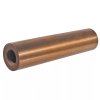
from Reid Supply
Bronze is an alloy that consists primarily of copper with the addition of other ingredients. In most cases the ingredient added is typically tin, but arsenic, phosphorus, aluminum, manganese, and silicon is also be used to produce different properties in the material. All of these ingredients... [See More]
- Nonferrous: Copper
- Shape / Form: Semi-finished, Mill Stock or Near Net Shapes; Bar Stock; Hollow Stock (Tube, Pipe, Column); Round Bar or Rod Stock
- Specialty / Other Types: Specialty; Bronze
- Width / OD: 1
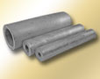
from Bunting Bearings, LLC
Powdered Metal Iron Copper Bar. Many sizes available. [See More]
- Nonferrous: Copper
- Shape / Form: Semi-finished, Mill Stock or Near Net Shapes; Bar Stock; Hollow Stock (Tube, Pipe, Column); Round Bar or Rod Stock
- Specifications: SAE
- Width / OD: 1 to 4.88

from Thermo Shield
Tantalum refractory tubing an excellent product for thermocouple sheaths, and performs well at elevated temperatures. A broad spectrum of applications may also be found in the electrical, electronic, semiconductor and medical industries. Tubing can be further processed to produce rings, washers,... [See More]
- Nonferrous: Refractory / Reactive; Tantalum
- Width / OD: 0.1250 to 0.7500
- Shape / Form: Semi-finished, Mill Stock or Near Net Shapes; Bar Stock; Hollow Stock (Tube, Pipe, Column); Round Bar or Rod Stock
- I.D.: 0.0150 to 0.0200