
Plastic Air Cylinders
Description
Plastic air cylinders are devices that convert pneumatic energy into mechanical work. They typically consist of a movable element, such as a piston and piston rod, operating within a cylindrical bore. These cylinders are designed to perform linear motion tasks by using compressed air to move the piston back and forth within the cylinder.
Working Principle
Plastic air cylinders operate by using compressed air to create a force that moves the piston within the cylinder. The air pressure is applied to one side of the piston, causing it to move and perform work. The movement can be controlled by regulating the air pressure and flow, allowing for precise control of the piston’s position and speed. The compressibility of air provides a cushioning effect, which is beneficial in applications requiring smooth motion and reduced impact forces.
Applications
Plastic air cylinders are used in a variety of applications across different industries. They are commonly found in industrial automation and robotics systems, where they facilitate precise and repeatable linear movements. Specific examples include material handling systems, where they are used to move parts along a production line, and in assembly processes, where they assist in the accurate placement of components.
Advantages over other Air Cylinders
Plastic air cylinders offer several advantages over other types of air cylinders. They are typically lightweight due to their plastic construction, which can be beneficial in applications where weight is a critical factor. Additionally, plastic materials can provide corrosion resistance, making these cylinders suitable for use in environments where metal cylinders might degrade.
Limitations
One limitation of plastic air cylinders is their potential for lower durability compared to metal cylinders. The plastic materials may not withstand high-pressure applications or harsh environmental conditions as effectively as metal counterparts. Additionally, plastic cylinders may have limitations in terms of temperature resistance, which could affect their performance in extreme conditions.
Considerations
When considering plastic air cylinders, it is important to evaluate factors such as initial costs, operating expenses, and maintenance requirements. Plastic cylinders may offer cost advantages due to their lower material costs and reduced weight, which can lead to savings in transportation and installation. However, their durability and lifespan should be assessed to ensure they meet the demands of the intended application. Maintenance costs may also vary depending on the specific materials used and the operating environment.
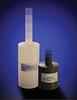
from International Polymer Solutions Inc.
IPS Air Cylinders are frequently used where splash-back or fumes from highly aggressive chemicals are prime considerations. Often used near corrosive chemicals these Polypropylene cylinders are just the right answer for providing strength, durability and reliability in your severe service actuation... [See More]
- Body Material: Plastic
- Bore Size: 1.25
- Stroke: 1 to 16
- Operating Temperature: 160

from ASCO
Delrin ® Corrosion Resistant Cylinders. Features. Delrin ® head, cap and piston provide excellent corrosion resistance in wash down environments where cylinders are exposed to moisture and certain solvents.*. Stainless steel rod and tube complete the corrosion resistance package and provide... [See More]
- Body Material: Plastic; Stainless Steel; Delrin®
- Operating Pressure: 100
- Stroke: 0.0 to 32
- Bore Size: 0.7500