
Threaded Inserts Information
Last revised: February 6, 2025
Threaded inserts are blocks of material with a threaded hole that are pressed or molded into a part, usually made of a different material. The materials used for making threaded inserts are metals such as brass and copper, and plastics such as PVC and PTFE.
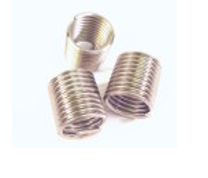
Types of Threaded Inserts
There are many types of threaded inserts depending on the material used to create them. Examples include:
Threaded brass insert
A threaded brass insert has an internal thread and can be used as socket head or button head machine screw. A threaded plastic insert is a spiral ridge on the end of a pipe that enables pipes to be joined together. A threaded brass insert has a deep groove for maximum pull out resistance. Knurling such as diamond, straight, and unidirectional are available in a threaded brass insert.
Threaded plastic insert
A threaded plastic insert is more efficient than a threaded brass insert in the respect that it can withstand more pressure.
Other threaded inserts are commonly available.
Features
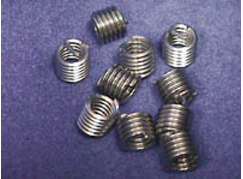
Threaded inserts reduce risk of cracking of installation material. A threaded insert with full thread is available in sizes ranging from M1.6 to M64+ in diameter. A threaded round insert consists of a tube with threads around its circumference.
A threaded round insert is specified by tube thickness, thread, and height. Modern threaded plastic inserts are stipulated by a measurement of the outer diameter (OD), which is measured over the pipe thread in the case of a male pipe. To be sure that the pipe thread will match, threads per inch (TPI) are also measured. The inner diameter (ID) is sometimes used when buying PVC pipes. The glass-reinforced nylon body is molded around the threaded brass insert ensuring that the insert stays put in even the toughest conditions. A threaded tube end is the easiest and most cost-effective way to attach mounts and glides to the tubes and pipes commonly used to construct frames, conveyor bases and industrial machinery.
Nuts and bolts are the most common threaded fasteners. A threaded stud is a fastener which is threaded at both ends with an unthreaded shank in between.
Failure of a threaded fastener generally occurs in one of three modes:
Failure through the shank or threaded section of the fastener
- Thread stripping of the external thread
- Thread stripping of the internally threaded member.
Threaded inserts are designed and manufactured to meet most industry specifications.
Applications
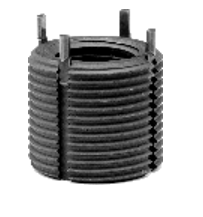
Threaded inserts are used in many applications. Examples include:
- Instrumentation
- Telecommunications
- Other plastic cases assemblies.
Threaded inserts should adhere to American National Standards Institute (ANSI) standards.
Standards
- ADS RS 746 — Tapped Hole & Counterbore Details for Thinwall Inch Threaded Inserts — Long and Short Series
- ISO 6410-2 — Technical Drawing — Screw Threads and Threaded Parts — Part 2: Screw Thread Inserts
Threaded Inserts FAQs
How do different types of threaded inserts impact the strength and durability of a joint?
The impact of different types of threaded inserts on the strength and durability of a joint can be significant, and it largely depends on the type of insert used, the material of the components, and the installation process. Here are some insights based on the documents retrieved:
Types of Threaded Inserts and Their Performance
Heat-Set/Ultrasonic Inserts: These are known for easy installation and provide high torque-out and pull-out resistance, making them suitable for applications where these factors are critical.
Self-Tapping Inserts: These offer higher pull-out strength compared to heat-set/ultrasonic inserts, which can be beneficial in applications requiring strong axial load resistance.
Press-In Inserts: While they allow for quick and easy installation, they generally have poor torque-out and pull-out resistance, which might limit their use in high-stress applications.
Press-In Expansion Inserts: Similar to press-in inserts, they offer quick installation but also have poor torque and pull-out resistance.
Helical Inserts: Although they require more labor-intensive installation, they provide high torque and pull-out resistance, making them suitable for applications demanding high durability and strength.
Factors Affecting Insert Performance
The performance of threaded inserts is influenced by the design and quality of the insert, the specifications of the plastic or metal components, and the installation process. Proper alignment and installation are crucial, as much as 75% of an insert's performance can depend on how well it is installed.
The choice of insert should be based on the performance requirements of the assembly, such as tensile strength, rotational torque, and pull-through strength.
Installation and Testing
It is essential to test the bolted joint under the actual production environment to establish a performance benchmark. Variations in installation or component design can affect the insert's ability to resist forces.
What is the installation process for different types of threaded inserts?
The installation process for different types of threaded inserts can vary significantly, impacting the performance and durability of the joint. Here's a detailed look at the installation processes for various types of threaded inserts:
Heat-Set/Ultrasonic Inserts
These inserts are installed using heat or ultrasonic energy to melt the surrounding material, allowing the insert to be embedded securely. This method provides high torque-out and pull-out resistance, making it suitable for applications where these factors are critical.
Self-Tapping Inserts
Self-tapping inserts are designed to cut their own threads as they are driven into a pre-drilled hole. This installation process offers higher pull-out strength compared to heat-set/ultrasonic inserts, which can be beneficial in applications requiring strong axial load resistance.
Press-In Inserts
These inserts are pressed into a pre-drilled hole, offering quick and easy installation. However, they generally have poor torque-out and pull-out resistance, which might limit their use in high-stress applications.
Press-In Expansion Inserts
Similar to press-in inserts, these are also pressed into place but are designed to expand slightly to improve grip. They offer quick installation but also have poor torque and pull-out resistance.
Helical Inserts
Helical inserts require a more labor-intensive installation process. They are typically screwed into a tapped hole and provide high torque and pull-out resistance, making them suitable for applications demanding high durability and strength.
Factors Affecting Installation
The performance of threaded inserts is heavily influenced by the installation process. Proper alignment and installation are crucial, as much as 75% of an insert's performance can depend on how well it is installed.
It is essential to test the bolted joint under the actual production environment to establish a performance benchmark. Variations in installation or component design can affect the insert's ability to resist forces,
What are the performance expectations for threaded inserts in different materials?
The performance expectations for threaded inserts in different materials can vary significantly based on several factors.
Performance Factors
The performance of threaded inserts is influenced by the design and quality of the insert, the specifications of the plastic or metal components, and the installation process. Proper alignment and installation are crucial, as much as 75% of an insert's performance can depend on how well it is installed.
Typical performance requirements for assemblies using inserts involve tensile strength, rotational torque, and pull-through strength. Tensile strength, or pull-out, is the axial force required to pull the insert out of the material. Torque is the rotational force required to rotate the insert in the material. Pull-through is a combination of rotational torque and tensile force applied opposite the head of the insert.
Material Considerations
There are many combinations of insert materials, plastic types, and assembly configurations. Without understanding these factors, it is challenging to determine the performance in a specific application. Testing and evaluation are necessary to confirm performance in the actual application.
Inserts are often used in plastic assemblies to replace metal components without sacrificing performance. The metal insert provides permanent creep resistance and allows for unlimited assembly/disassembly without compromising the integrity of the threads.
Testing and Benchmarking
To establish a true performance benchmark, it is imperative to assemble and test the bolted joint under the actual production environment. Variations in installation or component design can affect the insert's ability to resist forces.
Many insert manufacturers provide performance data in their product catalogs, which should be used solely as a comparative guide for insert types and sizes. This data should not be used to compare across manufacturers since testing methods and materials are not consistent.
How does the choice of plastic or metal affect the performance of threaded inserts?
The choice of plastic or metal significantly affects the performance of threaded inserts, and several factors come into play:
Material Compatibility
Threaded inserts are often used in plastic assemblies to replace metal components without sacrificing performance. The metal insert provides permanent creep resistance and allows for unlimited assembly/disassembly without compromising the integrity of the threads.
Performance Factors
The performance of threaded inserts is influenced by the design and quality of the insert, the specifications of the plastic or metal components, and the installation process. Proper alignment and installation are crucial, as much as 75% of an insert's performance can depend on how well it is installed.
Typical performance requirements for assemblies using inserts involve tensile strength, rotational torque, and pull-through strength. These parameters are critical in evaluating the insert's ability to resist forces and maintain joint integrity.
Testing and Evaluation
To establish a true performance benchmark, it is imperative to assemble and test the bolted joint under the actual production environment. Variations in installation or component design can affect the insert's ability to resist forces.
Many insert manufacturers provide performance data in their product catalogs, which should be used solely as a comparative guide for insert types and sizes. This data should not be used to compare across manufacturers since testing methods and materials are not consistent.
What are the typical applications for different types of threaded inserts?
Threaded inserts are used in a variety of applications, and the choice of insert type can significantly impact the performance and suitability for specific applications.
Heat-Set/Ultrasonic Inserts
Applications: These inserts are commonly used in plastic assemblies where high torque-out and pull-out resistance are required. They are suitable for applications that involve frequent assembly and disassembly, as they provide durable threads in softer materials like plastics.
Installation: Installed using heat or ultrasonic energy, which melts the surrounding material to embed the insert securely.
Self-Tapping Inserts
Applications: Ideal for applications requiring strong axial load resistance. They are often used in situations where the material is too hard for heat-set inserts, such as certain metals or harder plastics.
Installation: These inserts cut their own threads as they are driven into a pre-drilled hole, offering higher pull-out strength.
Press-In Inserts
Applications: Used in applications where quick and easy installation is a priority, but where high torque-out and pull-out resistance are not critical. They are often used in low-stress applications.
Installation: Simply pressed into a pre-drilled hole.
Press-In Expansion Inserts
Applications: Similar to press-in inserts, these are used where quick installation is needed, but they provide slightly better grip due to their expansion feature. Suitable for applications with moderate stress requirements.
Installation: Pressed into place and designed to expand slightly to improve grip.
Helical Inserts
Applications: Used in high-stress applications where high torque and pull-out resistance are required. They are often used in metal assemblies and applications demanding high durability and strength.
Installation: Require a more labor-intensive installation process, typically involving screwing into a tapped hole.
Threaded Inserts Media Gallery
References
GlobalSpec—E-Z LOK threaded inserts for hardwood
Image credits:
Berg W.M., Inc. | Jergens, Inc.
- # 0
- # 1
- # 10
- # 12
- # 14
- # 2
- # 20
- # 3
- # 4
- # 5
- # 6
- # 8
- 1 1/2"
- 1 1/4"
- 1 1/8"
- 1 3/4"
- 1 3/8"
- 1"
- 1/2"
- 1/4"
- 3/4"
- 3/8"
- 5/16"
- 5/8"
- 7/16"
- 7/8"
- ASME / ANSI
- Aluminum
- Anodize
- Assorted Sizes
- Black Oxide
- Brass
- Ceramic
- Galvanized
- ISO
- M1.6
- M10
- M12
- M14
- M16
- M18
- M2
- M2.5
- M20
- M22
- M24
- M3
- M3.5
- M30
- M32
- M33
- M4
- M5
- M6
- M8
- Metal
- Molded-In
- Nylon
- Plastic
- Plastic
- Pressed-In
- Rubber
- Self-tapping
- Silver
- Stainless Steel
- Steel
- Thermal
- Thread Repair Kits
- Threaded Hole
- Ultrasonic
- Wood
- Zinc Chromate (Yellow)
- Zinc Plated
- 4-40 threaded brass inserts
- blind threaded inserts
- epoxy threaded inserts
- m5 threaded inserts
- threaded rubber inserts
- 0-80 threaded inserts
- 10-32 threaded inserts
- 12mm threaded inserts
- 3/4 inch threaded inserts
- 316 stainless steel threaded inserts
- 4-40 threaded inserts
- 8-32 threaded inserts
- ABS plastic threaded inserts
- bronze threaded inserts
- ceramic threaded inserts
- fiberglass threaded inserts
- flanged threaded inserts
- hardened steel threaded inserts
- knurled aluminum threaded inserts
- m8 brass threaded inserts
- molded plastic threaded inserts
- PCB threaded inserts
- roto molded threaded inserts
- square threaded inserts